Raised to Resist · Reading for Little Humans
Kamsi Learns to Read
The girl who always asks “why, though?” is about to find the answers herself.
Ages 3–5 · Reading Explorer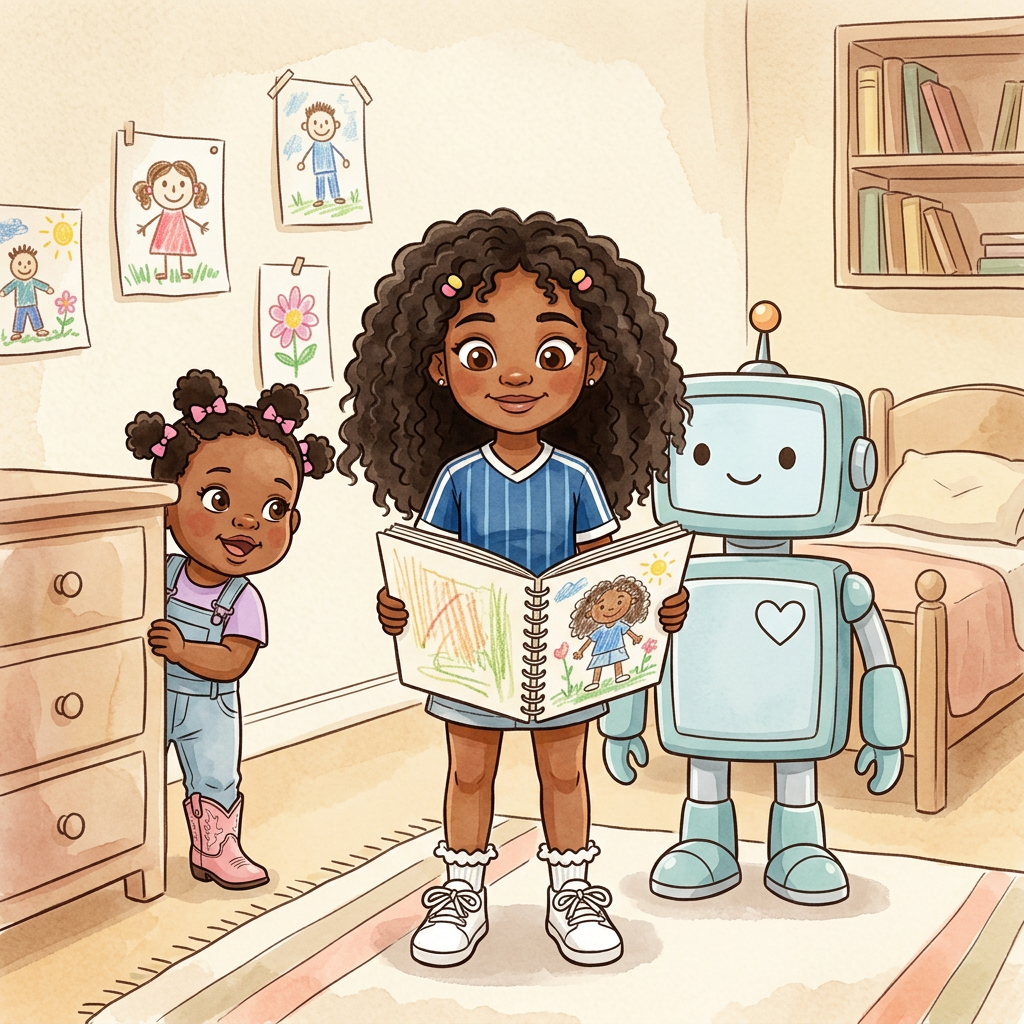
“Sound by sound, I can read it all by myself.”
@raised.to.resist · Parenting for the Resistance
Start Here, Grown-Ups
This is the book the whole brand stands on. Everything else we hope your kid can do, from questioning a headline to naming a feeling, starts here: with a child who can read. This packet teaches the skill itself, gently, in the order the research supports.
Three things this book gets right
- Sounds come before letters.We start with listening, rhyme, and claps, not “A is for apple.” A child has to hear the small sounds inside words before letters mean anything. It feels slower. It isn’t.
- You are the teacher, not Beep.Beep our robot shows up to cheer and play sounds, never to teach. A machine can help. It can’t parent. You read beside your child; the book is just the path.
- Reading is not a race.Rereading the same page is how reading is built, not falling behind. A page you’ve done five times is a page that’s working.
Read each page aloud. Point to the words as you say them. Then pause and let your child finish the sound: you say “/b/…”, they say “…all.” That tiny handoff is the whole method. Go one or two pages at a sitting.
You are the teacher, the book is the path, Beep is a friendly cheer. Sit close, point at the words, let the child make the sound, then say “again?” and mean it.
This Is How a Book Works
Before we read words, let’s meet the book. Put your finger where Kamsi points, then slide it along the line: we read this way →. Top to bottom, like walking down stairs.
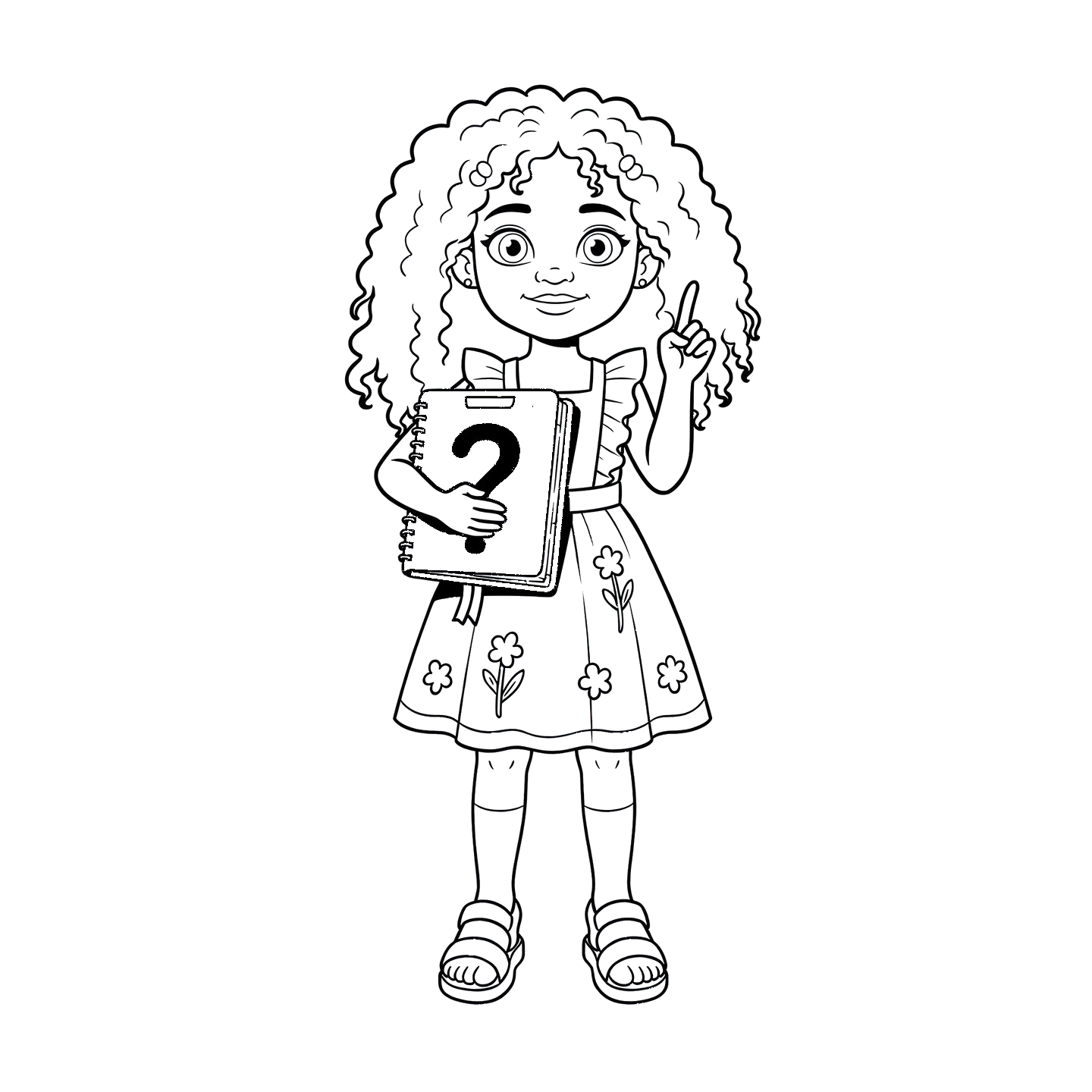
“Print awareness” is just knowing how a book behaves before knowing what it says. Hold the book together and run their finger left-to-right under a line as you read.
“Show me where we start. Now, which way do the words go?”
Listen for the First Sound
Say each thing slowly. What sound does it start with? /b/…all. No letters yet, just your ears. Make the sound out loud, big and silly.
 /b/ … all
 /s/ … un
 /d/ … og
 /m/ … oon
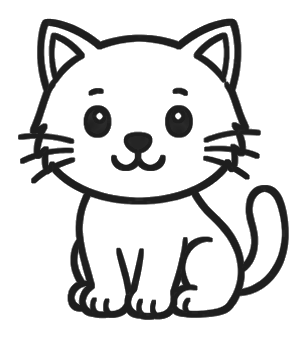 /c/ … at
 /h/ … at
This is phonemic awareness: the single best predictor of reading, and the thing screens can’t teach. Stretch the first sound long, “ssssun,” and let them catch it.
“Say it slow with me. What’s the very first sound your mouth makes?”
Sounds That Rhyme
Rhyming words sound the same at the end. In each row, two words rhyme and one is the odd one out. Say all three, then circle the two that match.
say them out loud, your ears know before your eyes do
Rhyme tunes the ear to word endings, which later becomes spelling patterns (-at, -og, -ar). The emoji are stand-ins for the final icons; the work is in saying them, not seeing them.
“Cat… hat… do they sound the same at the end? Now try sun.”
Clap the Parts
Big words come in parts. Clap once for each part as you say it: ba-na-na is three claps. Then color one dot for every clap.
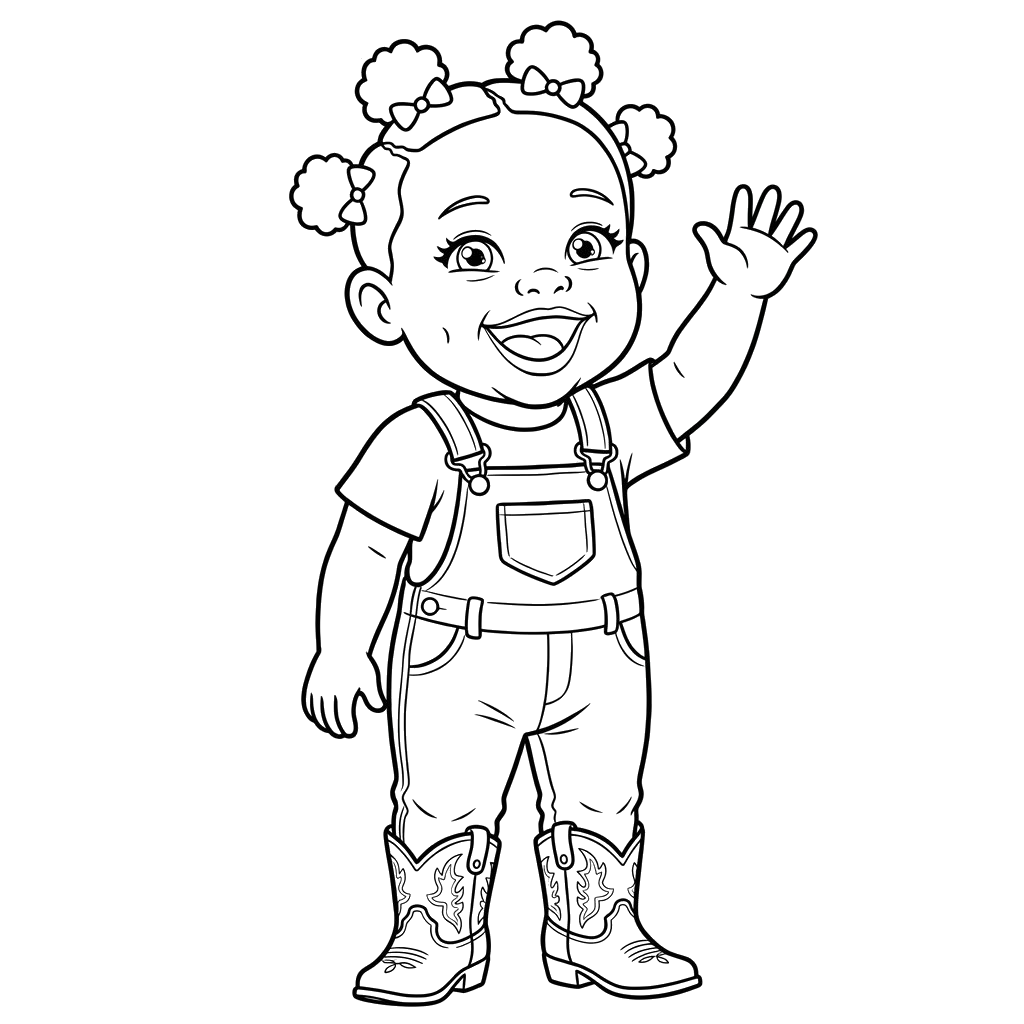
Syllable clapping makes the abstract idea of “chunks” physical. Use your child’s name first; it’s the word they care about most.
“Let’s clap your name! Kam-si, two claps. Now clap mine.”
Meet the Letter Sounds · A–E
Now the sounds get a shape. Trace each letter with your finger, then a crayon. Say its sound, not its name: A says /a/, apple.
 appleballcatdog
 egg
eggTeach the sound (“/a/”), not the name (“ay”). Names don’t help blending; sounds do. Letters arrive only now, anchored to sounds your child already practiced on pages 4–6.
“This letter says /a/. Trace it and say it: /a/, /a/, apple.”
More Letter Sounds · F–J
Five more. Same game: trace, then say the sound. Go slow. A page you’ve done before is a page that’s working.
 fish
fish goathat
 igloo
igloo jam
jamDon’t rush to Z. A child who truly owns ten letter-sounds can start reading; one who can sing the alphabet but blend nothing cannot. Depth beats coverage.
“Pick your favorite letter. Make its sound as loud as you can!”
Two Sounds, One Word: Blend It!
Here it is, the magic trick. Say each sound in its box. Then say them fast and they squish into a word: /c/ /a/ /t/ … CAT!
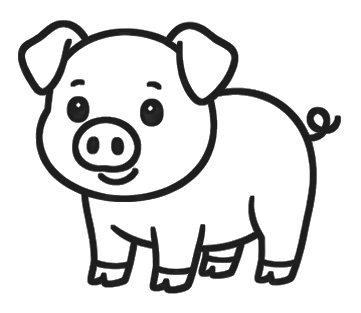
Blending is the moment sounds become reading, and the hardest leap. Start slow with gaps, then close them: “c … a … t … c-a-t … cat.” Cheer the first time it clicks. They’ll remember it.
“Now smoosh them together, faster, what word is hiding in there?”
I Can Read These!
You can sound out every single one of these. Read it, then color the box when you’ve read it all by yourself.
catdogsunhatpig car
carThese are decodable: every one can be sounded out with the letters learned so far. Resist supplying the word; give them the wait time. The pride of getting it themselves fuels the next hundred words.
“Take your time. Sound each one. I’ll wait. You’ve got this.”
Sight Words: the Sneaky Ones
Some words break the rules. You can’t sound them out, you just know them. Trace each one and color it in. These are our six sneaky friends.
High-frequency words like “the” and “you” don’t decode cleanly, so we memorize them by sight. This is expected, not cheating. They’re the glue between the words your child can sound out.
“This one’s a sneaky word. We don’t sound it out, we just know it: ‘the.’”
Build a Tiny Sentence
Now words become a thought. Read the start, pick a picture, and write or trace the word on the line. You’re making a sentence, all by yourself.
catdogsun star
starReading and writing grow together. Let them choose the word; ownership matters more than neatness. Wobbly letters are real letters. Praise the idea, not the handwriting.
“What do you want your sentence to say? You’re the author here.”
Read With Me
A real little story to read together. You read the sneaky word, your grown-up reads the rest, then swap. Point at every word as you go.
I see the sun.
I see the dog.
I see the cat.
I see you!
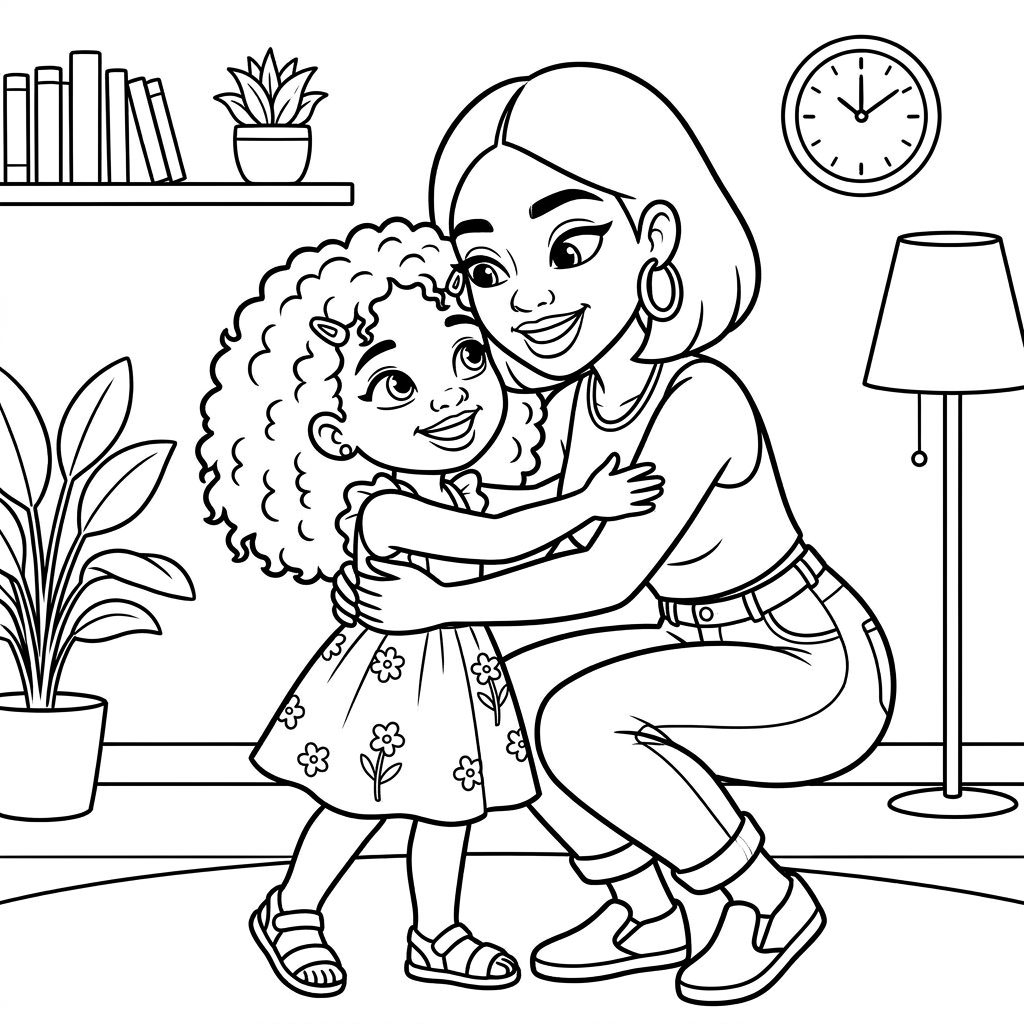
Repeated-pattern text lets a brand-new reader succeed on a whole “book.” Reread it three times. The third read, where they’re reading and not decoding, is where confidence is born.
“You read ‘the’ and ‘you,’ I’ll read the rest. Ready? Point as we go.”
Why, Though? Books Answer.
Kamsi always asks “why, though?” Now that she can read, she doesn’t have to wait for someone to tell her. She can go and find out.
A reader can ask a question and chase the answer down.
This is the page that connects reading to everything else we make. A child who can read can check, question, and decide for themselves. The whole point of Raised to Resist.
“What’s a ‘why, though?’ you want to answer? Let’s find a book about it.”
My Reading Streak
Every time you read something, a page, a sign, a cereal box, color in one star. Fill all ten and you’re officially on a roll.
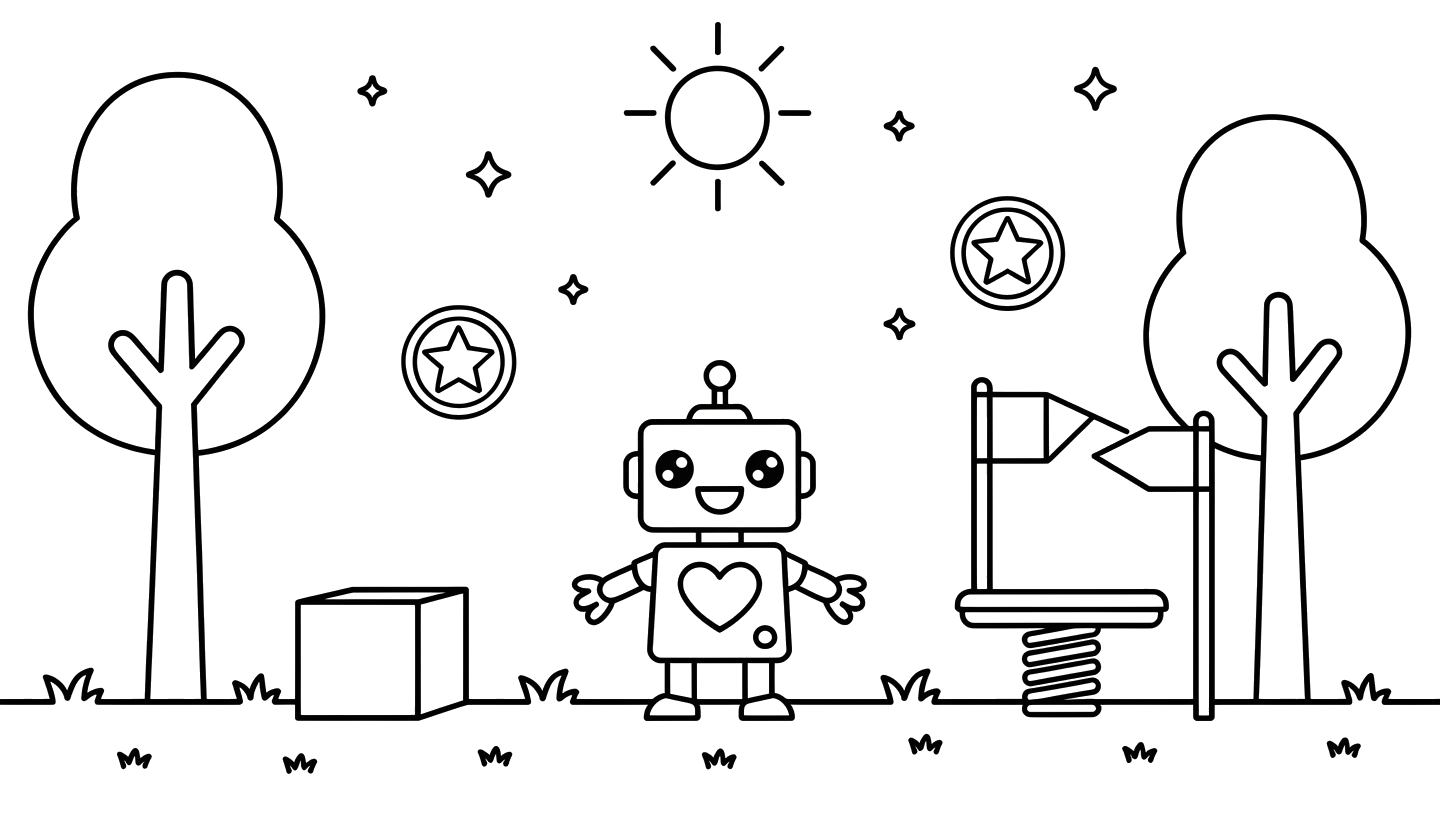
“Reading” counts broadly here: street signs, menus, the back of the cereal box. Catching reading in the wild is what turns a skill into an identity: “I’m a reader.”
“You read that sign! That’s a star. What else can you read today?”
Reading Explorer Certificate
I can hear sounds,
blend them, and READ!
Keep sounding it out, one word at a time. · @raised.to.resist