Raised to Resist · Repair, Not Punishment
The Repair Kit
What to do after you mess up. Because everyone does, and fixing it is a skill you can learn.
Ages 6–8 · Repair Kit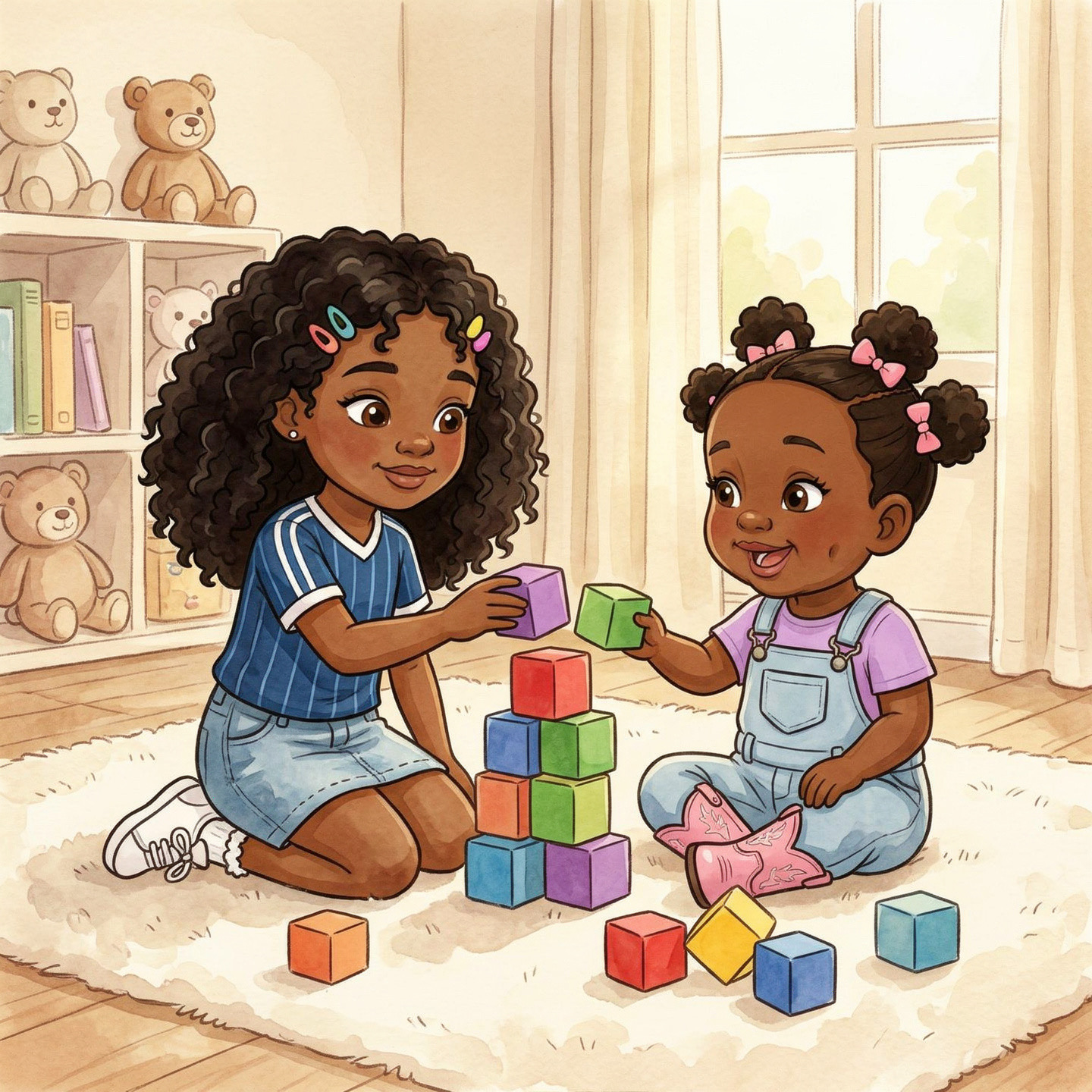
“I broke it. I can help fix it. That’s the whole job.”
@raised.to.resist · Parenting for the Resistance
Start Here, Grown-Ups
Punishment teaches a kid to hide the mistake. Repair teaches them to face it. This book is about the second thing: the unglamorous, learnable skill of making it right, which is the actual point of accountability.
Three things this book gets right
- Repair beats punishment.A consequence that fixes the harm teaches more than one that just causes new harm. We aim the child at the mess, not at their own worth.
- A mistake is an event, not an identity.“I did a bad thing” is workable. “I am a bad kid” is a dead end. We keep the line bright between the two.
- “Sorry” is a start, not a spell.A real apology names the harm and offers to fix it. We teach the four-part repair, not the one-word escape hatch.
Work it when everyone is calm, not mid-conflict. Use the comics to rehearse repairs before they’re needed. When a real rupture happens, walk the four tools together, in order. You model first; they copy.
Separate the deed from the kid, every time. Be hard on the problem, soft on the person. “You’re a good kid who made a mistake. Let’s go fix it together.”
Everybody Messes Up
Every single person who has ever lived has hurt someone, broken something, or said the wrong thing. Messing up isn’t the rare bad part of being human. It’s a normal part of it.
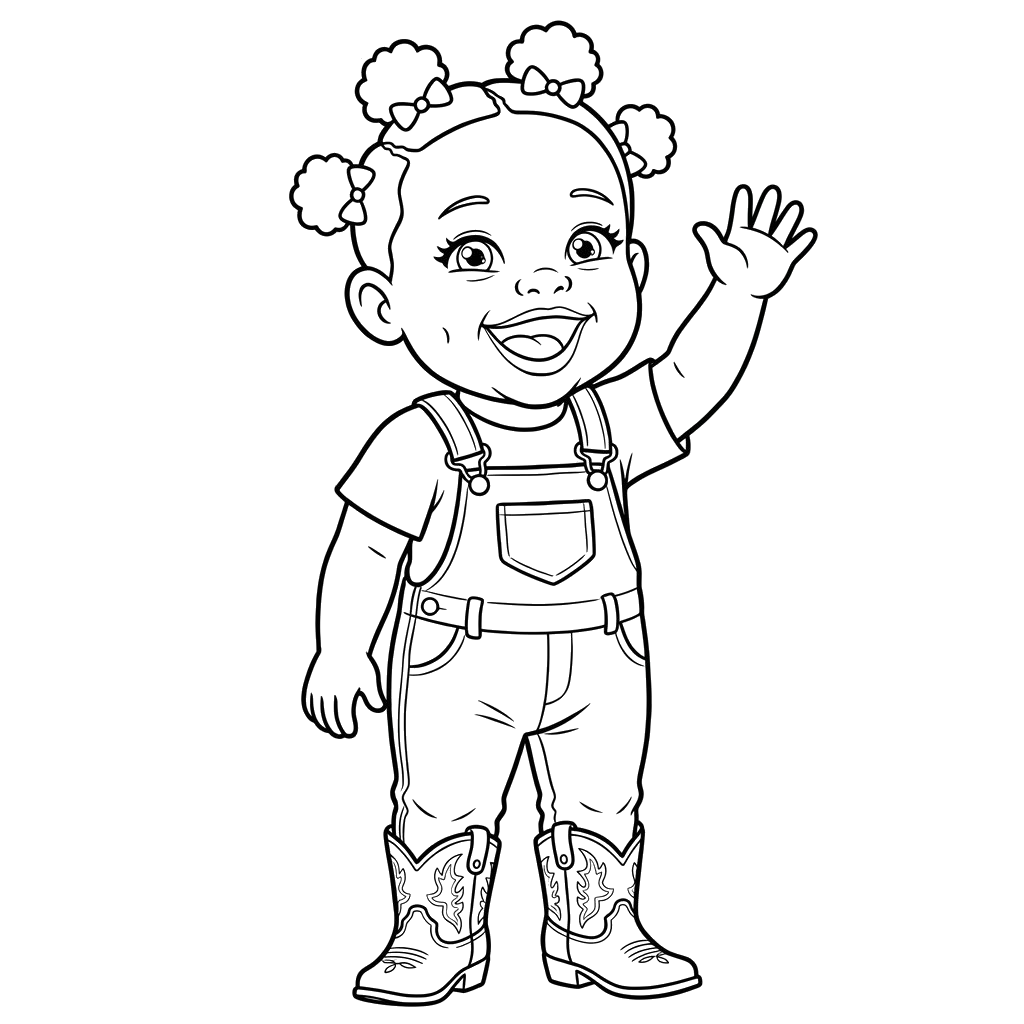
Share your own recent mistake and repair out loud. Kids who see adults own errors learn that accountability is safe, not shameful. Your fallibility is the lesson.
“I messed up earlier and I fixed it. Want to hear how?”
A Mistake Is Not a Monster
There’s a huge difference between “I did a bad thing” and “I am a bad person.” One you can fix. The other is a trap. Read both columns out loud and feel the difference.
A mistake sounds like
- I knocked it over.
- I forgot, and it hurt them.
- I lost my temper.
- I can make this better.
The trap sounds like
- I’m so stupid.
- I always ruin everything.
- I’m just a bad kid.
- There’s no point trying.
Listen for global self-talk (“always,” “never,” “stupid”) and gently swap it for specific, fixable language. The words a kid uses about themselves become the story they live in.
“You’re not stupid. You made one mistake. Let’s name just that one.”
Open the Repair Kit
Inside the kit are four tools. You use them in order, like steps on a ladder. The rest of this book is one tool per page. Here they all are at once.
The order matters. A repair (step 3) before owning it (step 2) feels hollow. Slow them down through the sequence; the steps they skip are the ones that build character.
“Which tool are we on? Let’s not skip to fixing before we own it.”
The Knocked-Over Tower
Here’s the whole kit in one little story. Read the four panels in order and find each tool as it happens.




Act this out with stuffed animals or figures. Rehearsing repair when stakes are zero builds the muscle memory that shows up when stakes are real.
“Let’s act it out. You be the one who fixes it this time.”
Tool 1 · Notice the Harm
Before you can fix anything, you have to see it. Look at the other person. What changed for them because of what you did? Their face is the clue.
Look at their face
Are they sad, hurt, scared, mad? Their body tells you what your action did. “Their shoulders dropped. They’re hurt.”
Name what happened
Say the plain fact to yourself, no excuses yet. “The tower fell because I bumped it.”
Notice without panicking
Noticing harm is uncomfortable. That feeling is your conscience working, not a sign you’re bad.
Resist narrating the harm for them; ask and wait. “What do you notice about how they’re feeling?” The noticing has to be theirs to count.
“Look at their face. What do you see?”
Tool 2 · A Real Apology
A real apology and a fake one use the same word, “sorry,” but they’re opposites. The fake one protects you. The real one repairs them. Spot the difference.
A real apology
- “I’m sorry I broke it.”
- “I see that hurt you.”
- “What can I do to help?”
- (then waits, and listens)
A fake apology
- “Sorry, but you started it.”
- “Sorry you got upset.”
- “Fine. Sorry. Whatever.”
- (then walks away fast)
Never force a fast “say sorry”; it teaches the fake version. Coach the real one: name the act, name the impact, offer repair. A delayed real apology beats an instant hollow one.
“Take your time. A real sorry says what you’re sorry for.”
Tool 3 · Make It Right
Words start a repair; actions finish it. A repair is something you actually do to help fix the harm. Which of these fit a mess you’ve made? Check the ones you could try.
Let the child generate the repair where possible; an idea they own lands deeper than one you assign. Ask the harmed party what would help, too. Repair is a conversation, not a sentence.
“Saying it is step one. What could you do to help make it right?”
Tool 4 · Do It Different
The last tool turns a mistake into a lesson. Finish the apology builder below. The “next time” part is the promise that makes people trust you again.
Four lines: own it, see the impact, repair it, change it. That’s a whole apology, written down.
Help them make the “next time” concrete and doable (“I’ll walk around the blocks”), not impossible (“I’ll never be mad again”). A keepable promise rebuilds trust; a broken one erodes it.
“What’s one small thing you’ll do differently next time?”
Draw Your Own Repair
Think of a real time you messed up. Draw your repair in the four panels, one tool per box. You can write the words underneath.
Pick a small, already-resolved mistake so the exercise feels safe, not like a punishment. Celebrate the repair they drew, not the mess they started with.
“Tell me about your four panels. That repair took courage.”
They Might Need Time
Here’s a hard, true thing: you can do a perfect repair and the other person might still need time. That’s allowed. A repair is something you offer, not something you’re owed back.
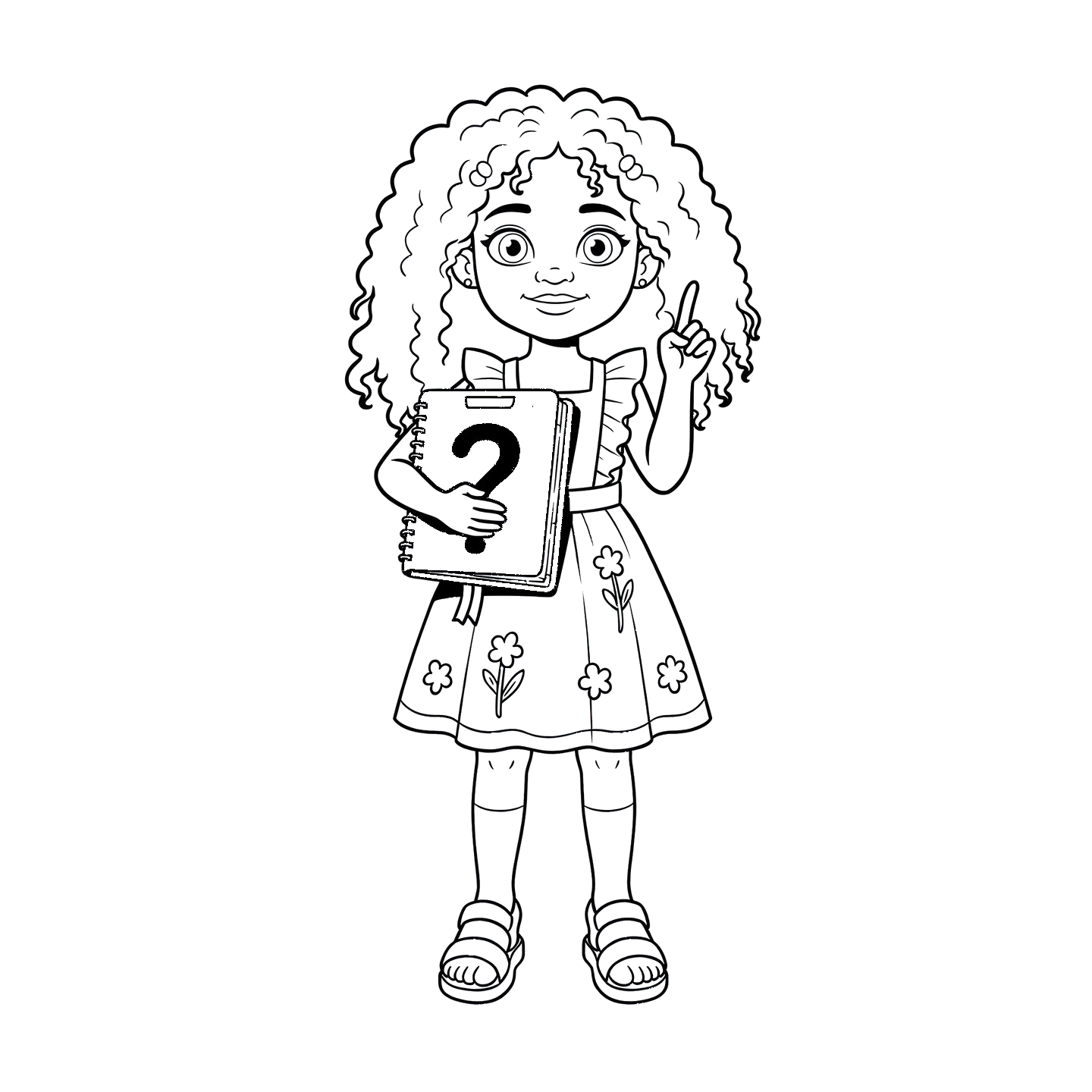
This protects kids from weaponizing apology (“I said sorry, so you HAVE to play with me”). Repair is for the harmed person’s healing, not the apologizer’s relief.
“You did your part really well. Now they get to take the time they need.”
When Someone Hurts You
Sometimes you’re the one who got hurt. You get to say what happened, ask for a repair, and take your time. A real sorry from them isn’t something you have to rush to accept.
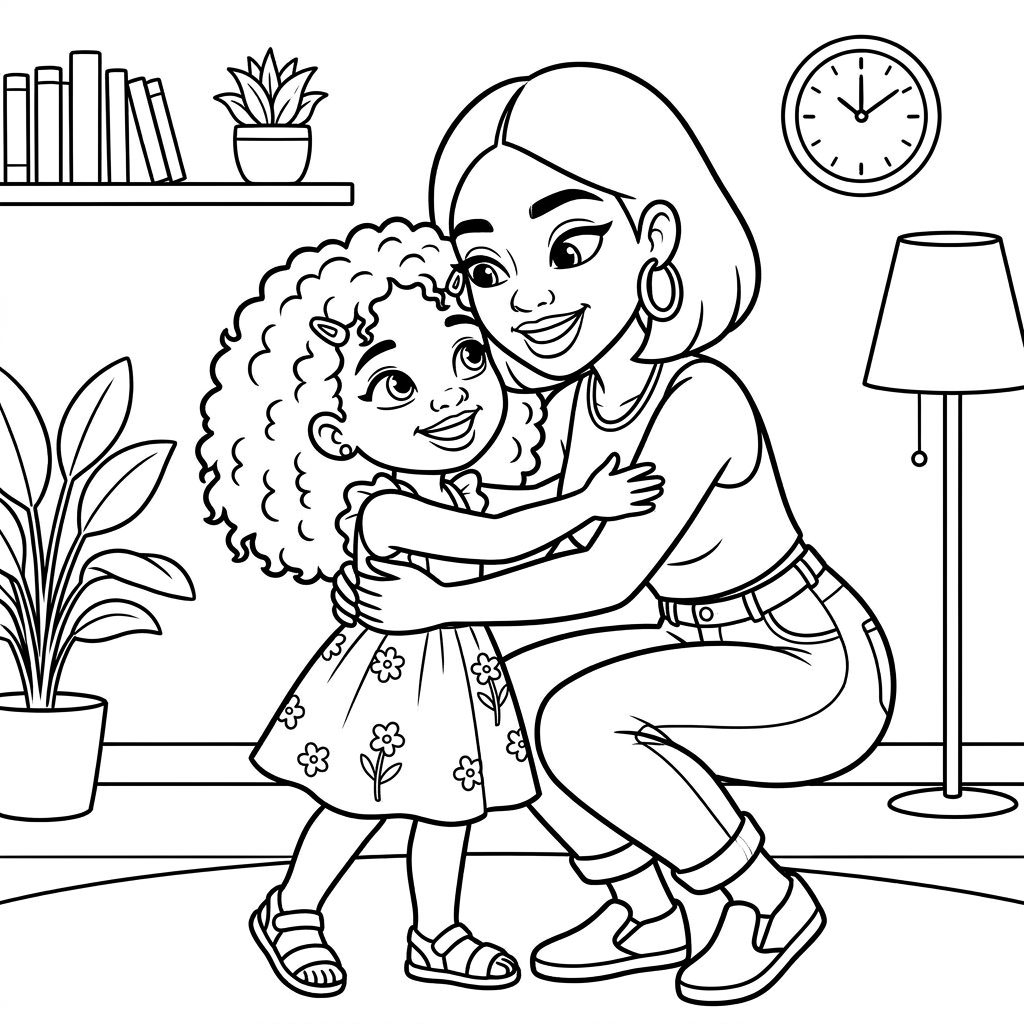
Teach both roles. Kids who can receive a repair, and decline a fake one, are harder to manipulate later. “You don’t have to accept ‘sorry’ if it didn’t feel real.”
“You’re allowed to say that hurt, and to take your time.”
Repair With Yourself, Too
After you fix a mistake, there’s one more person to be kind to: you. You don’t have to carry a mistake around forever once you’ve repaired it. You’re allowed to set it down.
Say it to yourself
“I made a mistake. I owned it and I fixed it. I’m still a good kid.”
Let the heavy part go
Carrying guilt after you’ve repaired doesn’t help anyone. The repair was the point, and you did it.
Keep the lesson
Set down the guilt; keep what you learned. That’s how a mistake makes you wiser, not smaller.
Kids who spiral in shame repair less, not more. Help them close the loop: name the repair as done, and explicitly release them. Shame is a bad teacher; accountability is a good one.
“You fixed it. It’s done. You can let it go now.”
My Own Repair Kit
Make the kit yours. Check the tools you want to keep ready, and fill in the last one with a repair idea that works for you.
Post the finished kit somewhere visible. When a rupture happens, point to it instead of lecturing. Over time, the pointing fades and the kid runs the kit themselves.
“Which tool do you want to grab first this time?”
Repair Kit Certificate
I can notice, own it,
make it right, and do better.

Mistakes happen. Repair is a skill. You’ve got the kit now. · @raised.to.resist