Raised to Resist · Feelings for Little Humans
Big Feelings, Real Words
Every feeling has a name. When we can name it, we can hold it.
Ages 3–5 · Feelings Explorer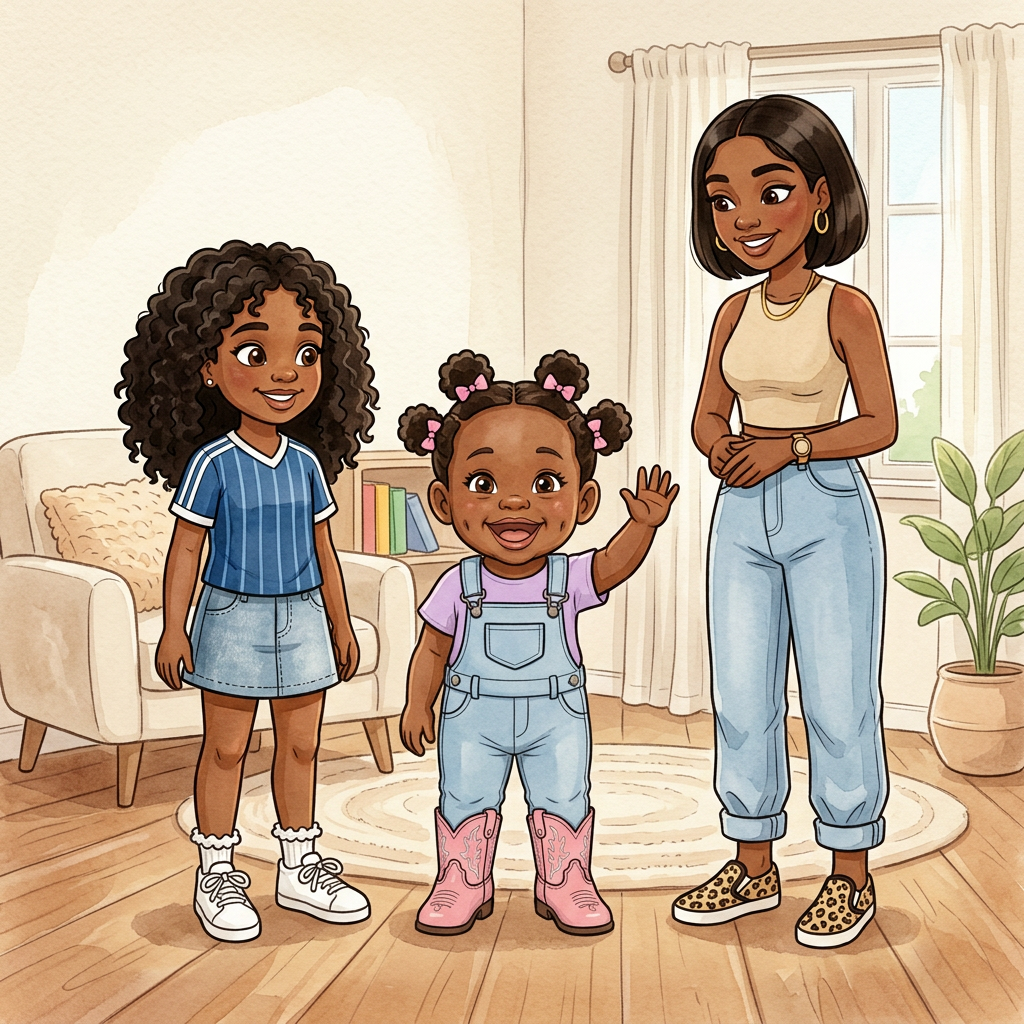
“I’m not a bad kid. I’m a kid with a big feeling.”
@raised.to.resist · Parenting for the Resistance
Start Here, Grown-Ups
A child who can name a feeling is a child who can survive one. Big feelings aren’t the problem; not having words for them is. This book hands your kid the words, and hands you the script to go with each one.
Three things this book gets right
- A big feeling is not a bad kid.We never call a feeling “bad.” Anger, fear, and jealousy are information, not misbehavior. What we do with a feeling can be unkind; the feeling itself never is.
- Name it to tame it.Saying “you’re so mad right now” out loud actually calms the body. You’re not rewarding the feeling, you’re labeling it. That’s the whole move.
- Feelings pass; choices stay.Every feeling is allowed. Not every action is. We hold both at once: “It’s okay to be furious. It’s not okay to hit.”
Sit close. Read the feeling words out loud and make the face with your child. When a real big feeling hits later in the week, come back to the page that matches it. The book works best after the storm, not during it.
Name the feeling before you fix the behavior. A named feeling shrinks; an ignored one grows. “You’re really disappointed. That makes sense. I’m right here.”
A Big Feeling Is Not a Bad Kid
Feelings are like weather inside you. Sometimes it’s sunny, sometimes it storms. A storm doesn’t make the sky bad. A big feeling doesn’t make you bad.
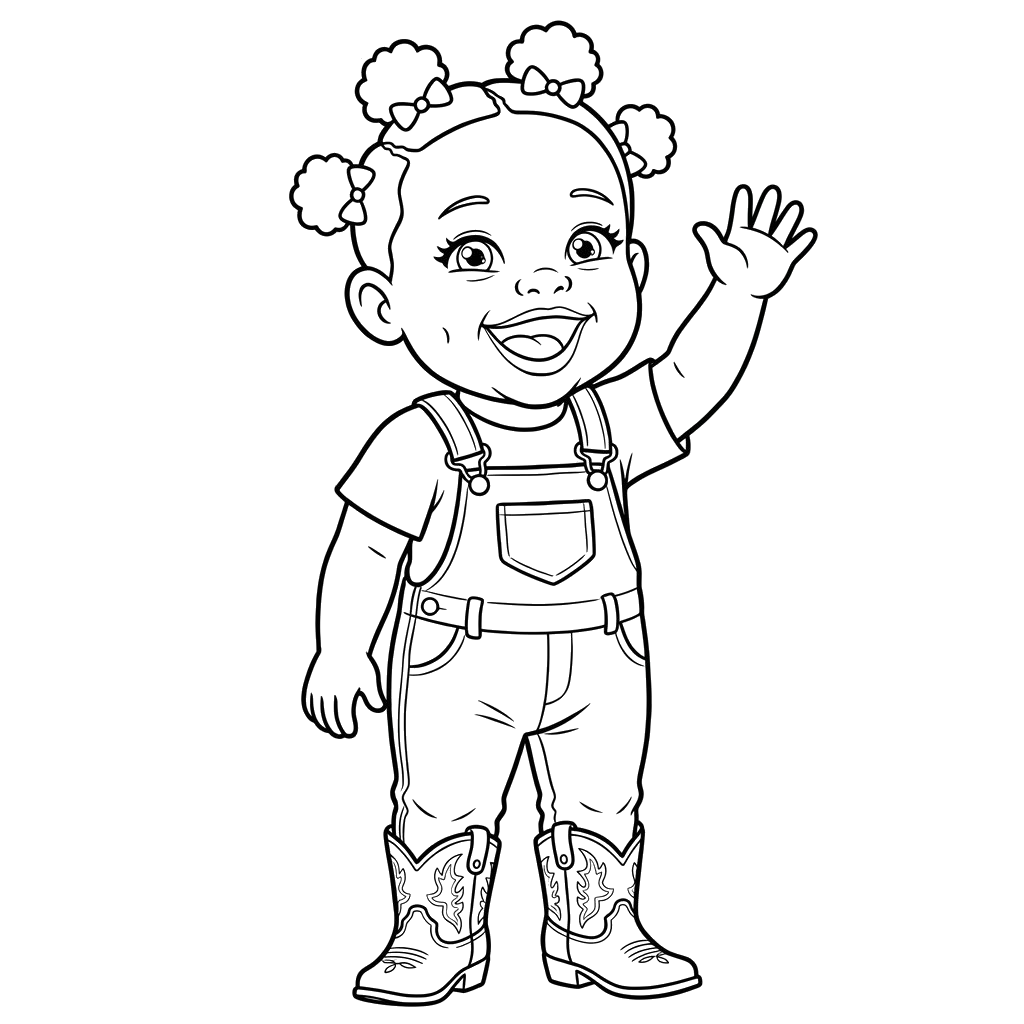
Kids who hear “stop crying” learn feelings are shameful. Kids who hear “you’re sad, I’ve got you” learn feelings are safe. The second kid grows into a teen who tells you things.
“You’re allowed to feel this. I’m not going anywhere.”
Meet the Feelings
Point to each face. Make the face with your body. Say its name out loud. Which one matches how you feel right now?
Making the face with your body (not just looking at it) builds the brain-body link that lets kids recognize feelings early, before they boil over.
“Show me your mad face. Now show me your calm face. You can move between them.”
What Might They Feel?
Listen to each little story. Look at the faces from the last page. Which feeling fits? There’s no wrong answer; people can feel more than one thing.
Guessing others’ feelings builds empathy, the brand’s whole first pillar. Accept every answer, then add yours: “I think she might feel sad. What do you think?”
“How do you think she feels? How can you tell?”
Draw Your Feeling
How do you feel right now? Draw it on the face. Eyes, a mouth, even tears or a big grin. There’s no wrong way to draw a feeling.
Externalizing a feeling onto paper gives kids distance from it. Don’t correct the drawing. Ask about it. The story behind the scribble is the point.
“Tell me about your drawing. What’s this part here?”
Where Do You Feel It?
Feelings live in your body. Mad can be hot cheeks. Scared can be a fluttery tummy. Color the spots where you feel things on the body below.

Teaching interoception, noticing body signals, is how kids learn to catch a meltdown early. Name your own: “My shoulders go up when I’m stressed.”
“Where do you feel the mad? Point to it on your body.”
I Feel ___ Because ___
Here are the magic words. Fill in the feeling, then say why. The “because” is what turns a meltdown into a sentence a grown-up can help with.
The sentence frame is the single most useful tool here. Model it yourself, often: “I feel frustrated because we’re running late.” Kids copy what they hear.
“Let’s use the words. I feel… because…”
Feelings Come and Go
A big feeling grows… and then it always gets smaller again. It’s a wave, not a wall. Trace the wave with your finger, from small to big to small.
no feeling stays at the BIG part forever
“This will pass” is true and calming, but only if they’ve felt it pass before. Narrate the curve in the moment: “It’s really big now. It’s going to come down. I’ll wait with you.”
“The feeling is at the top right now. Let’s wait for it to come down together.”
Belly Breaths
When a feeling is too big, your breath is the off-switch. Put a hand on your belly and follow the circle: in like you’re smelling a flower, out like you’re cooling soup.
2… 3…
breathe out…
2… 3… 4…
Hand on your belly. Feel it like a balloon.
Breathe in through your nose. The balloon fills up.
Breathe out slow through your mouth. The balloon shrinks.
Do it three more times. Feel the calm come back.
Slow exhales switch on the body’s calming system. Practice these when calm, not only in a storm, so the skill is already there when it’s needed. Breathe with them, every time.
“Let’s smell the flower… and cool the soup. Again.”
You Can Ask for a Hug
Strong kids ask for help. When a feeling is too big to hold alone, you can say “I need a hug” or “stay with me.” A safe grown-up will always come.
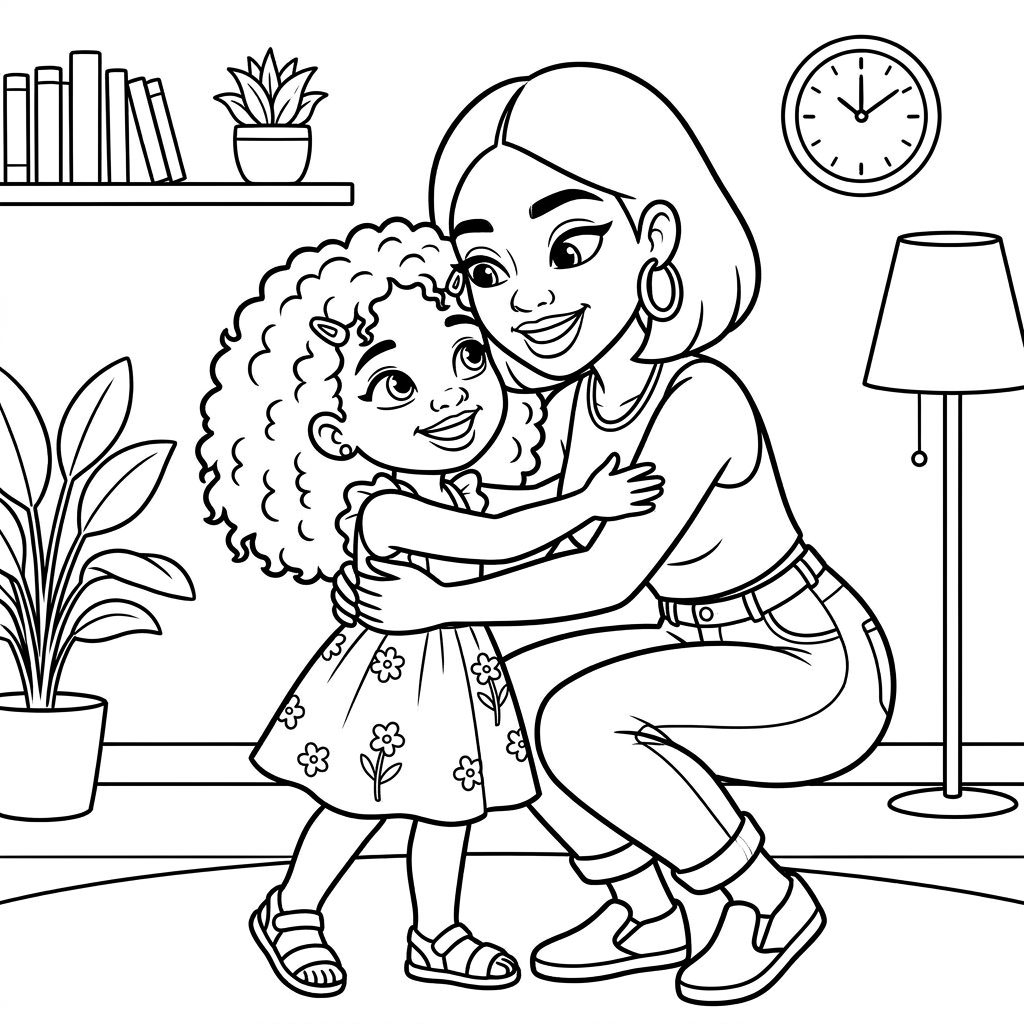
Kids who learn to ask for comfort become teens who reach out instead of bottling up. Always honor the ask, even when you’re tired. You’re building the habit of coming to you.
“You can always ask me for a hug. I will always say yes.”
Big Feeling, Kind Choice
Every feeling is okay. Not every thing we do with it is. You can feel furious and still make a kind choice. Read each pair out loud.
The feeling (always okay)
- I am so mad.
- I feel left out.
- I really wanted that.
- I’m too excited to sit.
The kind choice
- I stomp my feet, not hit.
- I say “can I play too?”
- I ask, I don’t grab.
- I jump it out over here.
This is the line that keeps kids safe and kind: validate the feeling fully, redirect the behavior firmly. Both at once, every time. “You’re allowed to be mad. You’re not allowed to hit. Let’s find what you can do.”
“It’s okay to feel it. Let’s find a safe thing to do with it.”
My Calm-Down Plan
When the feeling is big, what helps you? Color the box next to the ones you want to try. This is your very own plan.
Let your child pick; ownership makes the plan stick. Post it where they can see it. When the storm hits, point, don’t lecture: “Which one from your plan?”
“These are your tools. Which one do you want to try first?”
Name It, Together
Here is the whole book in three steps. When a big feeling comes, you and a grown-up walk through them, in order, every time.
Repetition is everything. The same three steps, the same calm voice, a hundred times. That’s how it becomes the thing your kid does without you, eventually.
“Notice, name, choose. We’ve got this. Let’s do it together.”
Feelings I Named This Week
Every time you use your words for a big feeling, color in a heart. Naming feelings gets easier the more you do it.
Catch and celebrate the naming, not the calm. “You told me you were frustrated instead of throwing it. That’s huge.” You’re rewarding the skill, not the silence.
“You named it! That’s a heart. What did you feel today?”
Feelings Explorer Certificate
I can name my big feelings
and make kind choices.
Every feeling has a name. You know them now. · @raised.to.resist