Raised to Resist · Community for Sharp Minds
The Care Map
Look around your neighborhood. Notice who needs what. Do one small kind thing.
Ages 6–8 · Care-Maker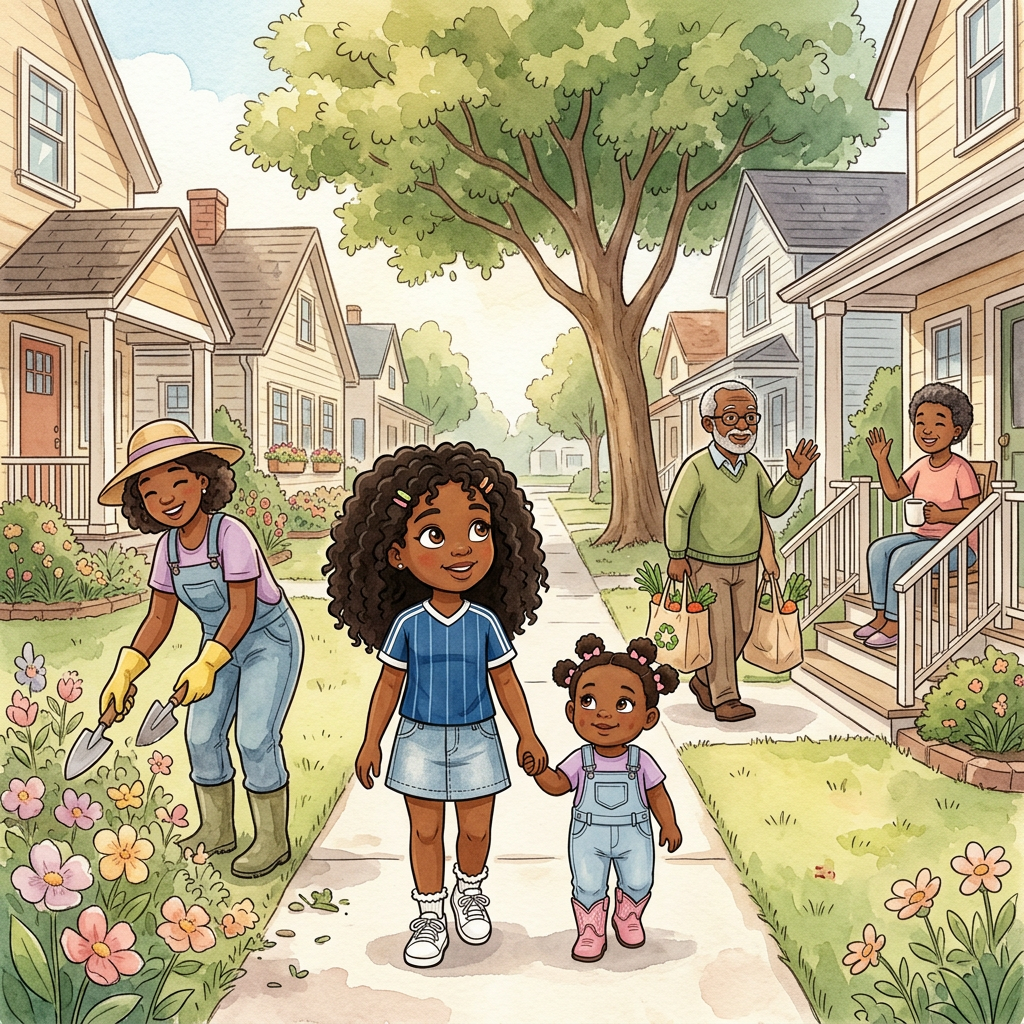
“I can’t fix everything. I can do one small thing today.”
@raised.to.resist · Parenting for the Resistance
Start Here, Grown-Ups
Community care isn’t charity from above; it’s noticing the people right around you and doing one small, real thing. This book trains the noticing, the asking, and the doing, the everyday muscles of a person who shows up for others.
Three things this book gets right
- Care is a verb.Feeling sorry for someone isn’t care. Doing one small useful thing is. We aim kids at action, not just sympathy.
- Notice before you help.Real care starts with paying attention to who needs what. We make observation the first skill.
- Ask first, always.Help that nobody wanted isn’t kind. We teach kids to ask “would that help?” so care respects the other person.
Take the care walk together this week, map your block, and pick one small act to actually do. The doing is the lesson; the worksheet is just the warm-up. Then notice it out loud when your child cares for someone.
Care is something you do, not just something you feel. Point at the action. “You noticed they needed help, and you did something. That’s care.”
What Is a Community?
A community is all the people who share a place with you: your street, your school, your town. You’re part of lots of them. And a community works best when the people in it look out for each other.
Name the communities your child belongs to (block, class, team, faith group). Belonging is the soil care grows in; kids who feel part of something look after it.
“What are the communities you belong to? Let’s list them.”
Care Is Something You Do
Feeling bad for someone is a start, but it doesn’t help them. Care is a verb, an action. The smallest real action beats the biggest sympathetic feeling. Read both sides.
Care that does something
- carry a bag for someone
- sit with a kid who’s alone
- hold the door, say hello
- share half your snack
A feeling that stays inside
- “that’s so sad” and walk on
- noticing but doing nothing
- “someone should help them”
- only thinking about it
Gently push from “poor them” to “what could we do?” Even a tiny action teaches a child they have the power to help, the opposite of the helplessness that breeds apathy.
“We feel for them. Now, what’s one thing we could actually do?”
Notice Who Needs What
Care starts with noticing. Most people don’t say “I need help”, you have to look. A new kid standing alone. A neighbor with heavy bags. Practice spotting the clues.
Someone sitting alone
might need a hello or a friend
Someone carrying a lot
might need a free hand
Someone looking lost
might need directions
Someone dropped things
might need help picking up
A garden full of weeds
a neighbor might need a hand
Litter on the path
the place itself needs care
Make noticing a game on errands: “Who around us might need something?” Observation is the trainable root of empathy in action; the more they spot, the more they help.
“Look around. Who do you notice that might need a little something?”
The Care Walk
Take a walk around your block with a grown-up. Your only job is to notice. Check off what you see. You’re a care detective, gathering clues about your neighborhood.
Keep it slow and curious, not a chore. The walk reframes the familiar block as a place full of people and needs, which is exactly how a care-minded person sees the world.
“Let’s walk slow and just notice. What do you see today?”
Map Your Block
Draw a map of your neighborhood. Put your home in the middle. Then add a pin wherever you noticed someone or something that could use a little care.
The map makes abstract “community” concrete and local. Hang it up. A child who can point to where care is needed is far likelier to actually go and give it.
“Where should we put a care pin? Who did we notice there?”
People Who Care for Us
Your community is already full of people caring for you, often quietly. Naming them is its own kind of care. Check the helpers near you, and think about how to thank one.
Help your child thank one community helper this week, out loud or with a note. Gratitude makes the invisible web of care visible, and teaches that care is a two-way street.
“Who takes care of our neighborhood? How could we thank them?”
Small Acts, Big Difference
You don’t need to be big or grown-up to care. The smallest acts are real and they add up. Here are care-sized ideas that fit a kid. Circle the ones you could do.
Say hi to someone new
a lonely day gets warmer
Make a thank-you card
for a community helper
Pick up three pieces of litter
your shared space gets cleaner
Share or donate a toy
to a kid who has less
Help carry something
for a neighbor or grown-up
Include someone in a game
no one has to play alone
Resist supersizing it into a big project. Small, repeatable acts build a durable habit of care; grand one-off gestures rarely do. Consistency over scale.
“Which small one feels doable for you this week?”
Ask First
Real care respects the other person. Help they didn’t want isn’t kind, it’s just bossy. So before you jump in, ask. Two little words make care feel good to get.
The magic question
“Would that help?”
If they say no thanks, that’s okay. Respecting their answer is its own kind of care.
This links care back to consent and body autonomy: respecting a “no thanks” matters even when you meant well. It keeps helping from sliding into controlling, an important distinction for life.
“Before you help, ask if they want it. Their answer counts.”
Care for Places, Too
Community isn’t only people, it’s the shared places: the park, the sidewalk, the library, the planet. They belong to all of us, so caring for them is caring for everyone who uses them.
Model “leave it better” at the park or library. Caring for shared, un-owned places is the seed of environmental and civic responsibility, the understanding that the commons is ours to keep.
“This park is ours to share. What could we do to leave it nicer?”
My One Small Act
Knowing about care is nice. Doing one act is the whole point. Pick one small thing from your map and make a real plan to do it this week.
My care plan
Help make it specific and tiny enough to truly happen, then make space for it. The felt success of one completed act is what turns “I care” into “I’m a person who acts.”
“What’s your one act, and when will we do it? Let’s put it on the calendar.”
Care Comes Back Around
Here’s the secret of a community: care moves in a circle. When you care for others, you make a place where others care for you, too. Everybody’s small acts hold everybody up.
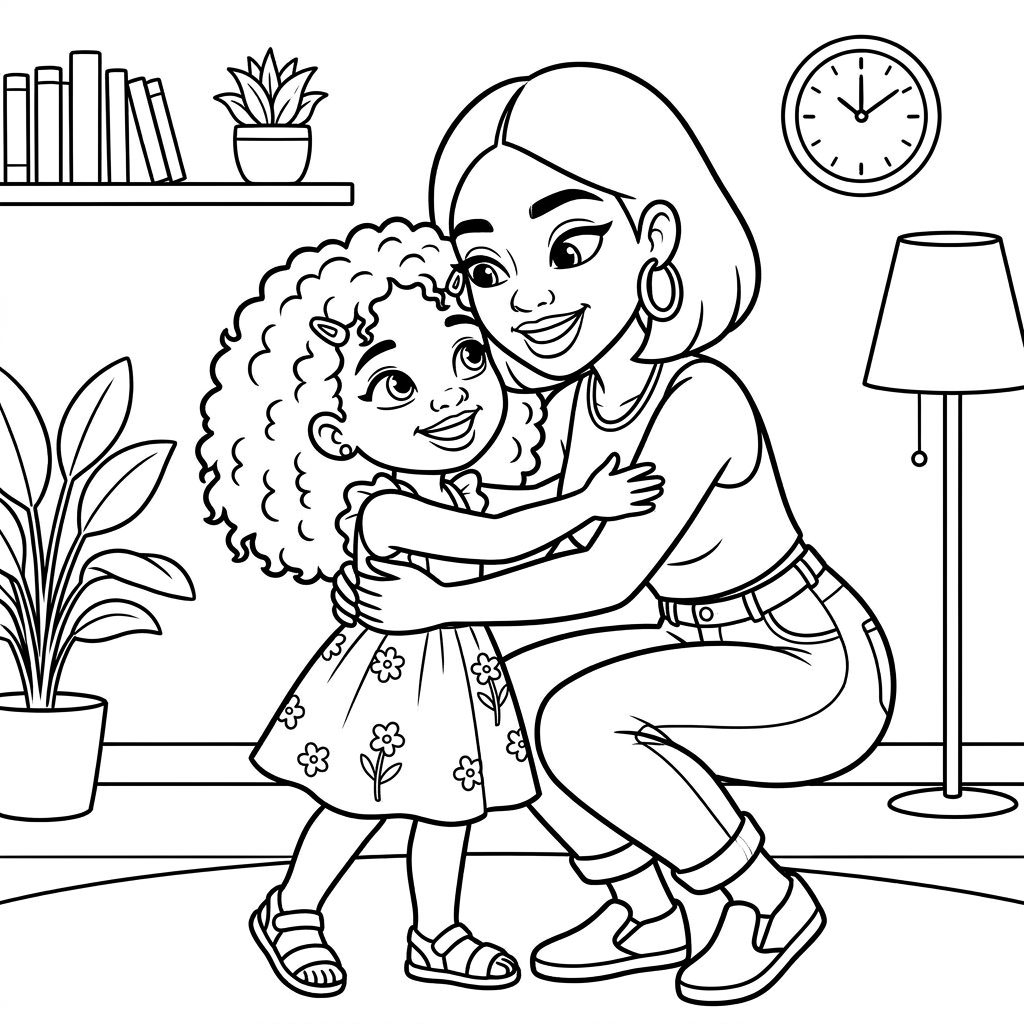
Point out care coming back when it does (“remember when you helped them? look, now…”). Seeing the circle close teaches that community is reciprocal, and worth investing in.
“See how care comes back around? You’re part of that web now.”
A Care-Maker Can…
You’re a care-maker now. Read your four care powers out loud. They’re small, simple, and they change the place you live.
Notice who needs what
Care starts with paying attention.
Ask “would that help?”
Real care respects the other person’s answer.
Do one small act
A tiny real thing beats a big nice feeling.
Care for places, too
Leave shared spaces better than I found them.
Name these powers when your child uses them. “You noticed and you asked first, that’s a care-maker.” Identity (“I’m someone who cares”) is what makes the habit last.
“Which care power did you use today? I noticed it.”
My Acts of Care
Every time you do one small act of care, color a heart. Watch your kindness add up. A whole community is just hearts like these, all together.
Celebrate the act, not the size. A child who gets noticed for small kindnesses keeps doing them, and slowly becomes the neighbor everyone hopes lives next door.
“You cared for someone today. That’s a heart. Tell me about it.”
Care-Maker Certificate
I notice, I ask, and I do
one small act of care.

One small act at a time, you make the whole place warmer. · @raised.to.resist