Raised to Resist · Civics for Sharp Minds
Tiny Citizen
Fairness, rules, and finding your voice. Because a kid is a citizen too.
Ages 6–8 · Tiny Citizen
“That’s not fair, so what could make it better?”
@raised.to.resist · Parenting for the Resistance
Start Here, Grown-Ups
Civics isn’t a teenage subject. It starts the first time a kid yells “that’s not fair!” This book turns that raw sense of justice into something usable: the ability to name a problem, propose a fix, and take part in the decision.
Three things this book gets right
- Fair doesn’t mean identical.Fairness is everyone getting what they need, which isn’t always the same thing. That distinction is the heart of civic thinking.
- Complaints become proposals.“That’s not fair” is the start. “Here’s what would make it better” is the skill. We teach the upgrade.
- Rules can be questioned and improved.We raise kids who ask what a rule is for, not kids who obey blindly, and who know how to change a rule the right way.
Run a real family vote this week on something small (movie, dinner, weekend plan). Let your child win sometimes and lose sometimes, and talk about how it felt. Lived practice beats any worksheet.
When your kid cries “unfair,” don’t shut it down; ask the next question. “You might be right. What would make it more fair?”
What Does “Fair” Mean?
Fair means everyone is treated with care and gets a real chance. It’s one of the oldest ideas people have, and you already feel it in your gut. Fair is something we build together.
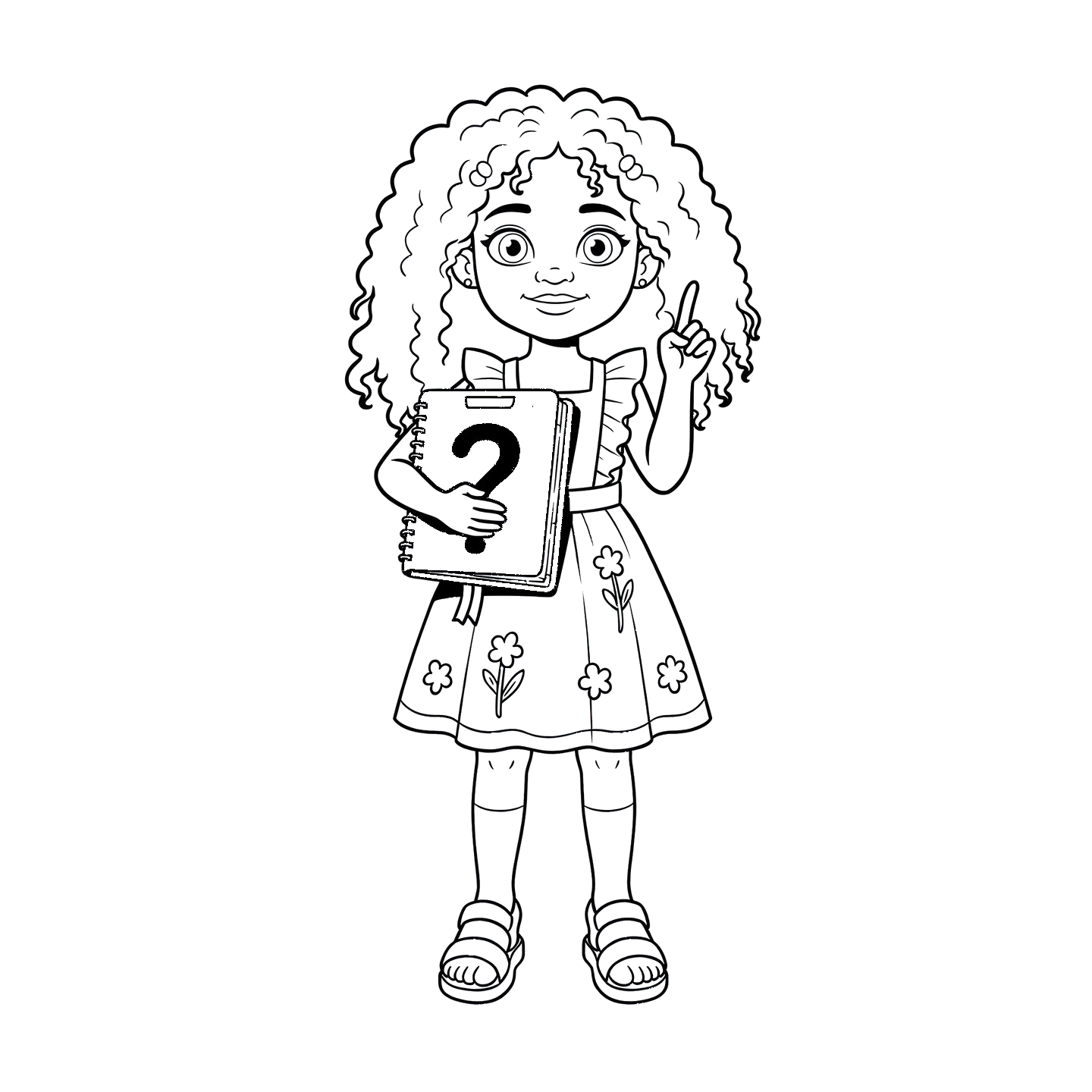
Validate the feeling before debating the facts. Kids who feel heard about fairness learn to reason about it; kids who get “life isn’t fair” learn to go quiet.
“Tell me what felt unfair. I want to understand it.”
Fair Isn’t Always the Same
Here’s the tricky part: fair doesn’t always mean identical. Sometimes fair means everyone gets what they need, even when that looks different. Read the three friends below.
A tall friend
can already see over the fence.
needs 0 boxesA medium friend
needs a little boost to see.
needs 1 boxA small friend
needs a bigger boost to see.
needs 2 boxesThis is equity in kid terms. Avoid making it abstract; use real examples (a sibling needs more help with shoes, so they get it). Fairness is needs-based, not identical-portions.
“Should everyone get the same, or what they each need? Let’s think it through.”
Why Do We Have Rules?
Rules aren’t there just to boss you around. A good rule has a reason, usually to keep people safe, fair, or kind. When you know the reason, the rule makes sense.
Some rules keep us safe
“Hold hands in the parking lot.” The reason is cars. The rule protects you.
Some rules keep us fair
“Take turns on the swing.” The reason is everyone gets a chance.
Some rules keep us kind
“Use gentle words.” The reason is that words can help or hurt.
Give the reason behind your rules when you can. Kids who understand the “why” follow rules more reliably and grow into adults who can tell a good rule from an unjust one.
“This rule has a reason. Want to guess what it’s protecting?”
A Good Rule or a Silly One?
A citizen can tell a good rule from a silly one by asking: does it have a fair reason? Read each rule and decide. Then talk about what its reason is, or isn’t.
Has a fair reason
- wash hands before we eat
- one turn each, then swap
- helmets when we bike
- quiet voices in the library
Hmm, what’s the reason?
- “only my favorite color is allowed”
- “big kids never have to share”
- “you can’t ask questions”
- “the rule can never change”
Invite scrutiny of your own rules; a rule that survives a “why” is stronger. This is how kids learn to question authority thoughtfully instead of either obeying or rebelling blindly.
“Is one of our family rules a little silly? Let’s talk about it.”
From “Not Fair!” to “Make It Better”
Anyone can complain. A citizen does one more step: they propose a fix. Fill in the lines to turn a complaint into a real idea someone can actually use.
Three lines turn a feeling into a plan: name the problem, offer a fix, show who it helps.
Next time your child protests, hand them this frame. A proposal is harder and more powerful than a complaint, and sometimes their fix really is better than your rule. Be willing to adopt it.
“Good problem. Now give me your proposal, and I’ll really consider it.”
Everyone Gets a Voice
A fair group makes room for every voice, not just the loudest. That means taking turns, really listening, and counting everyone. Here’s how a fair group talks.
A fair group
- lets each person speak
- listens, even when it disagrees
- counts every vote the same
- checks who hasn’t spoken yet
An unfair group
- only the loudest is heard
- interrupts and talks over
- some votes “count more”
- quiet people get left out
Model “who haven’t we heard from?” at the dinner table. Drawing out the quiet voice is a civic habit that protects groups from being run by whoever is loudest.
“Who hasn’t had a turn to talk yet? Let’s hear them.”
Hold a Vote
When a group needs to decide, one fair way is to vote. Everyone gets one vote, you count them up, and the most votes wins. Try it: vote on tonight’s family movie. Color a box for each vote.
most boxes wins, and everyone agrees to try the winner
Let the vote really decide sometimes, even when your pick loses. A vote that never binds isn’t a vote. Losing gracefully and winning kindly are both civic skills worth practicing at home.
“Let’s vote for real. We’ll all go with whatever wins.”
How to Speak Up
Having an idea is one thing; saying it so people listen is another. Here’s a simple way to share an idea that even grown-ups will take seriously.
Wait for a turn, then start clear
“I have an idea about the swings.” People listen when you signal what’s coming.
Say the problem and your fix
Use your proposal: what’s unfair, and what would make it better.
Stay calm and kind
A calm voice is a strong voice. You can feel fiery and still speak steady.
Give your child real chances to speak up to adults (ordering their own food, asking a librarian). Low-stakes reps build the nerve they’ll need for higher-stakes moments later.
“You have the idea. Want to be the one who says it?”
You Can Disagree and Stay Friends
Citizens disagree all the time, that’s normal and even good. The trick is to argue about the idea, not attack the person. Spot the difference.
Disagree with the idea
- “I see it differently.”
- “What about this instead?”
- “I don’t agree, and that’s okay.”
- “Can you tell me more?”
Don’t attack the person
- “You’re so dumb.”
- “Only a baby thinks that.”
- name-calling or yelling
- refusing to listen at all
This is the antidote to polarization, taught young: disagreement is normal, contempt is not. Praise your child when they argue a point without putting someone down.
“You disagreed and stayed kind. That’s exactly how it’s done.”
Helping Decide at Home
You don’t have to wait to grow up to be a citizen. Your family is a tiny country, and you get a say in it. Try a family meeting: a time when everyone helps decide something together.
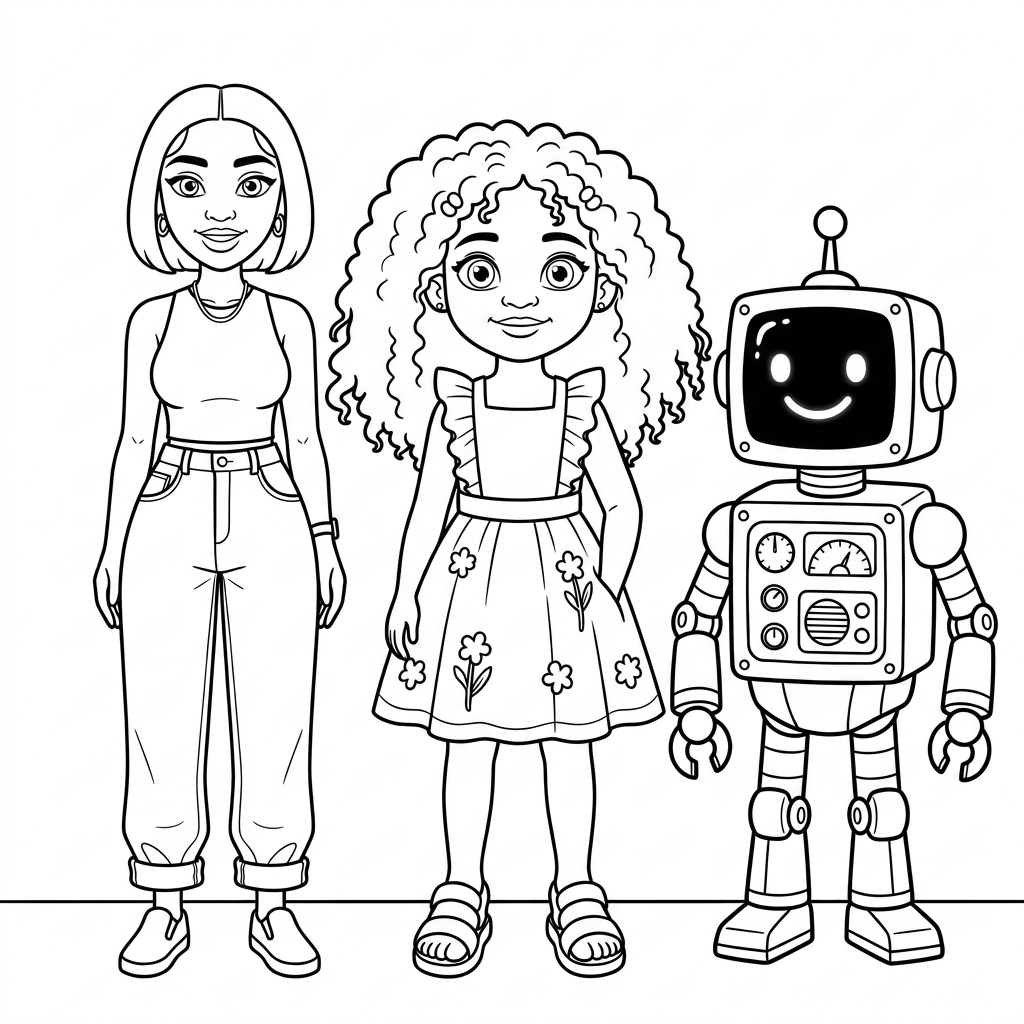
A short, regular family meeting is civic education in its purest form. Give kids genuine (bounded) decision power; the experience of being heard at home is what makes a confident public citizen.
“At our family meeting, you get a real vote. What should we decide?”
Rules Bigger Than Me
Beyond your family, whole towns and countries make rules together, too. Grown-ups vote for leaders to help make them. And when a big rule is unfair, citizens of every age can work to change it.
Connect their small experiences to the larger world with age-true examples of people improving unfair rules. Keep it hopeful and tool-focused: change is possible, and they’re already learning how.
“People your size have helped change big rules. Want to hear a true story?”
A Tiny Citizen Can…
Look how much you can already do. Read your four citizen powers out loud. You’ve had them all along, now you know how to use them.
Notice what’s unfair
And know fair isn’t always the same for everyone.
Propose a fix
Turn “not fair!” into “here’s what would help.”
Use my voice and my vote
Speak up calmly, and count everyone in.
Disagree and stay kind
Argue the idea, never attack the person.
Name these powers when you see your child use them in the wild. “That was a real proposal.” Labeling the skill makes it part of their identity: I’m someone who can change things.
“Which citizen power did you just use? I saw it.”
Citizen in Action
Every time you make a proposal, vote, speak up, or disagree kindly, color a star. Being a citizen is something you do, not just know.
Celebrate the doing, not just the right opinion. A child who is noticed for taking civic action learns that participation is normal and effective, the root of lifelong engagement.
“You spoke up at the meeting today. That’s a star, citizen.”
Tiny Citizen Certificate
I can spot what’s unfair
and help make it better.

A kid is a citizen too. Go use your voice. · @raised.to.resist