Raised to Resist · Body Safety for Sharp Minds
Secrets, Surprises & Safe Grown-Ups
How to tell a happy surprise from an unsafe secret, and exactly who to tell.
Ages 6–8 · Trusted Circle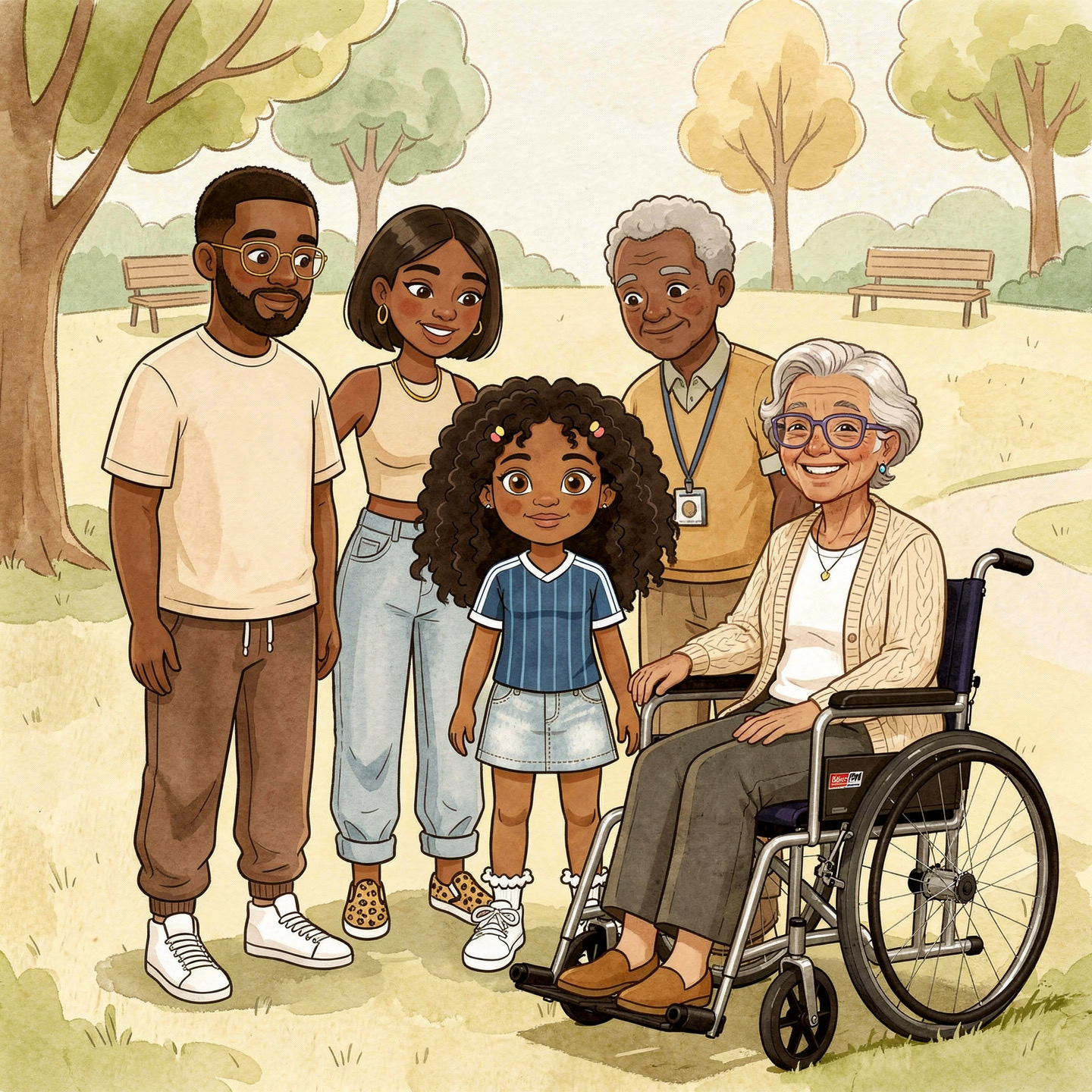
“A surprise ends in a smile. A bad secret I can always tell.”
@raised.to.resist · Parenting for the Resistance
Start Here, Grown-Ups
“We don’t keep secrets, we have surprises” is one of the most protective rules a family can hold. This book gives your child the distinction, the body-cue that flags a bad secret, and a named circle of adults to carry it to.
Three things this book gets right
- Surprises end; secrets don’t.A surprise has a happy reveal coming. A secret you can “never tell” is the exact tool unsafe people use. We teach the difference, not fear.
- The body flags it first.Before a kid has words, their stomach knows. We teach them to trust that “icky” signal and act on it.
- A circle, not a single grown-up.One trusted adult can be unavailable, or be the problem. A named circle means there’s always someone else to tell.
Build the trusted circle together and set a family code word this week. Practice the “someone said don’t tell” script out loud. Keep your tone steady and matter-of-fact; calm competence is what kids absorb.
No grown-up should ever ask a child to keep a secret from their parents. Say it plainly and often. “A safe adult never asks you to hide something from me.”
Two Kinds of “Don’t Tell”
Some things we keep quiet for a little while because telling would spoil the fun. That’s a surprise. Some things we’re told to hide forever, and they make us feel bad. That’s a secret, and those we always tell.
A surprise
- has a happy ending coming
- everyone finds out soon
- makes you feel excited
- example: a birthday gift
An unsafe secret
- you can “never, ever tell”
- makes your tummy feel icky
- comes with a threat
- often about bodies or touch
Reinforce by labeling in daily life: “That’s a surprise for Dad, we’ll tell him Friday.” The everyday practice makes the category obvious when a real secret appears.
“Is this a surprise with a happy ending, or a secret that feels heavy?”
Secret or Surprise?
Read each one. Decide: is it a happy surprise or an unsafe secret? Circle your answer, then talk about how you knew.
Accept reasoning over right answers. The skill is the logic (“it has a threat,” “it never ends”), not memorizing items. Add your own examples from real life.
“How did you decide? What was the clue?”
The Tummy Test
Your body is a secret-detector. A surprise feels bubbly and excited. An unsafe secret feels heavy, tight, or icky in your stomach. When in doubt, do the tummy test.
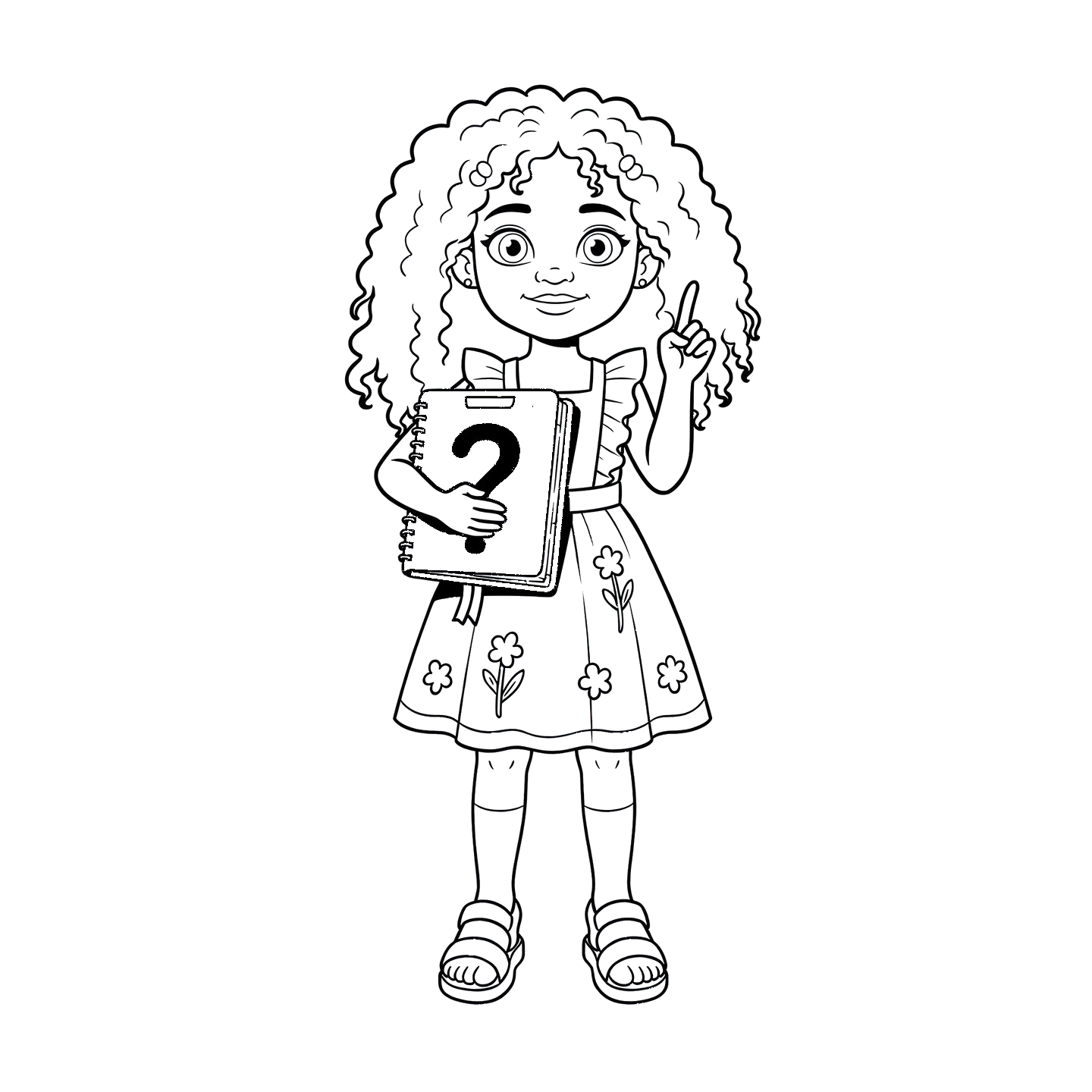
Naming the body cue gives kids something to act on before they can articulate why. Reinforce that the icky feeling is information, never something to push down or be ashamed of.
“What does your tummy say about it? Let’s listen to that.”
Tricky People Use Secrets
Most grown-ups are safe. A tricky person is anyone, even someone you know, who tries to get you to keep an unsafe secret. Here’s how to spot the tricks.
A safe person
- never asks you to hide things from your parents
- takes “no” for an answer
- doesn’t use scary “what ifs”
- is glad when you tell things
A tricky person might
- say “this is our special secret”
- offer treats to stay quiet
- say “you’ll be in big trouble if you tell”
- say “no one will believe you”
“Tricky person” is more accurate than “stranger”, most harm comes from known adults. Keep the tone informational. The aim is recognition and reporting, not anxiety about everyone.
“If anyone ever tries those tricks, that’s exactly when you come tell me.”
My Trusted Circle
These are the grown-ups you can always go to. Write a name in each one. Pick people from different places, so there’s always someone you can reach.
Choose adults across settings so one is always reachable, and confirm each person knows they’re in the circle. Revisit yearly. A circle that includes someone outside the home is the safest design.
“Who goes in your circle? Let’s make sure each of them knows.”
Who Helps With What?
Different grown-ups help with different things, and any of them can help with a secret. Check the people in your circle you’d go to for each one.
Emphasize that for body-safety secrets, speed beats picking the “right” adult. Make clear that telling about a worried friend is caring, not snitching.
“For anything about bodies, tell the first safe grown-up you can find.”
The Family Code Word
Your family can have a code word, a special word that means “come get me” or “this person is safe to go with.” Pick a fun, easy-to-remember word together and write it here.
Our family code word is
Pick something silly you’ll never forget, like “pineapple” or “dragon.” Only your family knows it.
Use it two ways: a child can text or say it to summon you, no questions asked, and you can confirm a safe pickup by another adult who knows it. Keep it private and refresh if it slips.
“If you ever say our code word, I come right away and we sort it out.”
No Secret Is Worth Your Safety
A tricky person might say scary things to keep you quiet. None of them are true. Read the strong, true answer out loud, the one that beats every trick.
“I’m allowed to tell.
Nothing bad happens to me for telling the truth.”
Practice it until it feels easy. This sentence is your shield.
Directly counter the classic threats (“you’ll be in trouble,” “no one will believe you”) with a promise you will keep: belief first, no punishment for telling, ever. Say it more than once.
“No matter what someone said, you can always tell me. I will believe you.”
If Someone Says “Don’t Tell”
Here’s your three-step plan for the exact moment a person asks you to keep an unsafe secret. You don’t argue with them. You get to safety and you tell.
Trust your tummy
If it feels icky or heavy, that’s a real signal. You don’t need proof. The feeling is enough.
Leave if you can
You don’t have to be polite to someone breaking the rules. Walk to a safe grown-up. No explanation needed.
Tell, in plain words
“Someone told me to keep a secret and it felt wrong.” That one sentence starts the help.
Give explicit permission to be “rude” to break a rule, leave, interrupt, say no to an adult. Politeness conditioning is a real vulnerability; override it on purpose here.
“You’re allowed to walk away from any grown-up who breaks our rules.”
Online Secrets Count Too
The same rules work on a screen. If someone in a game or a chat asks you to keep a secret, send a hidden photo, or “don’t tell your parents,” that’s a tricky person, too. Tell a safe grown-up.
Safe online
- people you know in real life
- chats your grown-up can see
- no secrets, no hidden photos
- games with the door open
Tell a grown-up if someone online
- asks you to keep it secret
- asks for photos of you
- says “don’t tell your parents”
- wants to meet in private
Keep devices in shared spaces and make “I’ll never be mad if you show me a weird message” a standing promise. Kids hide online problems mostly out of fear of losing the device; remove that fear.
“Show me anything online that feels weird. You won’t lose the tablet for telling.”
Keep Telling Until Someone Listens
Once in a while, the first grown-up is too busy or doesn’t understand. That is not your fault, and it is not the end. You go to the next person in your circle, and the next, until someone helps.
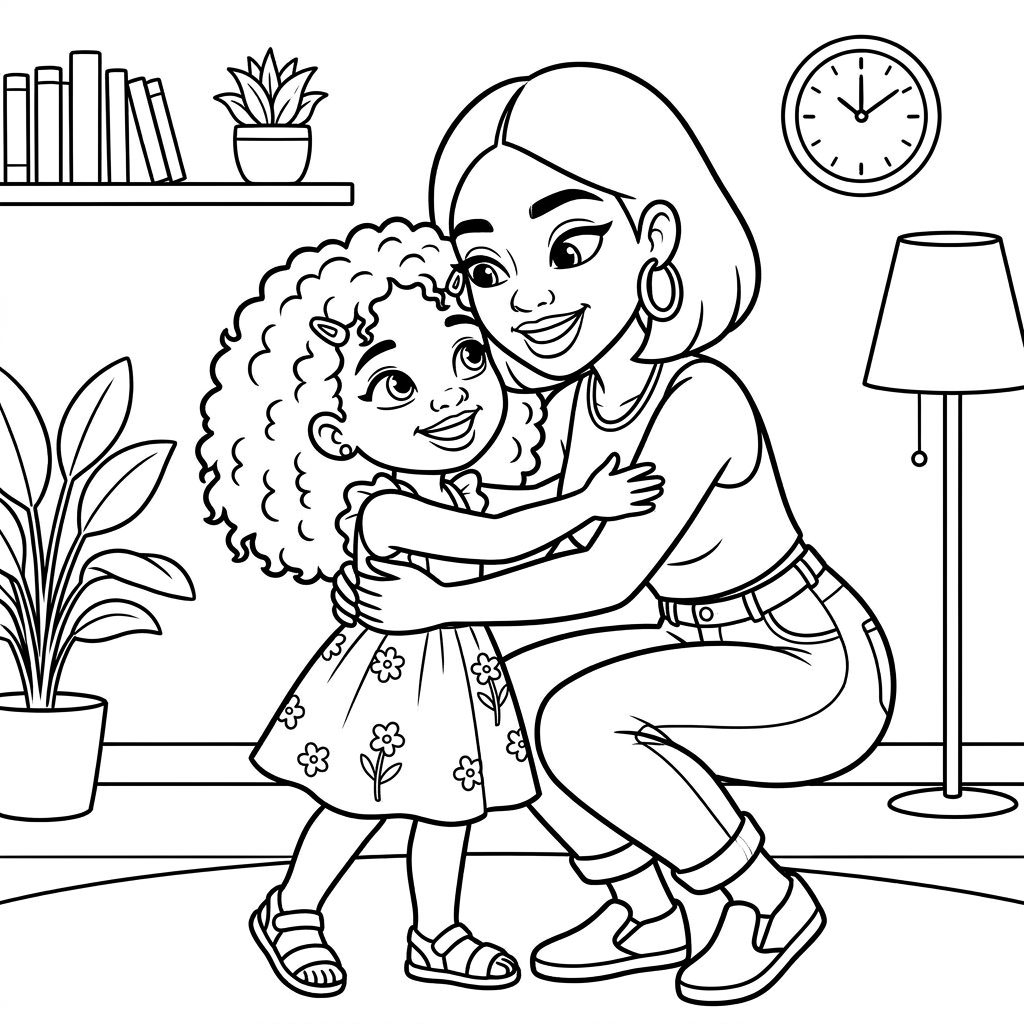
Disclosures are often partial or repeated; a child who stops after one try may not be safe yet. Rehearse the “go to the next person” step so giving up isn’t the default.
“If I’m ever too slow to get it, who else could you tell? Let’s practice.”
My Safety Plan
Here is everything you learned, in four lines. Read them with a grown-up. This is your plan, ready before you ever need it.
I know the difference
Surprises end in smiles. Unsafe secrets I always tell.
I trust my tummy
Icky or heavy is a real signal worth acting on.
I have a circle and a code word
Safe grown-ups in different places, and a word that calls for help.
I tell, and keep telling
Until someone listens. I’m never in trouble for telling the truth.
Review these four lines a few times a year, briefly and calmly. The point isn’t a single big talk; it’s a quiet plan your child can run from memory.
“Let’s run your safety plan. Tell me line one.”
My Safety Promise
Read the promise, then color a shield each time you use your plan: you told the truth, trusted your tummy, or helped a friend tell. Every shield makes you safer.
My promise
I will tell a safe grown-up about any secret that feels wrong, and I will keep telling until someone helps.
Notice and name every time they use the plan, even small. Reinforcement turns a worksheet into a reflex. Re-sign the promise together each new school year.
“You trusted your gut and told me. That’s a shield. I’m proud of you.”
Trusted Circle Certificate
I know secrets from surprises,
and I know who to tell.

No secret is bigger than your safety. · @raised.to.resist