Raised to Resist · Body Safety for Little Humans
My Body, My Yes
You are the boss of your body. This little book is how you learn to use that power.
Ages 3–5 · Body Boss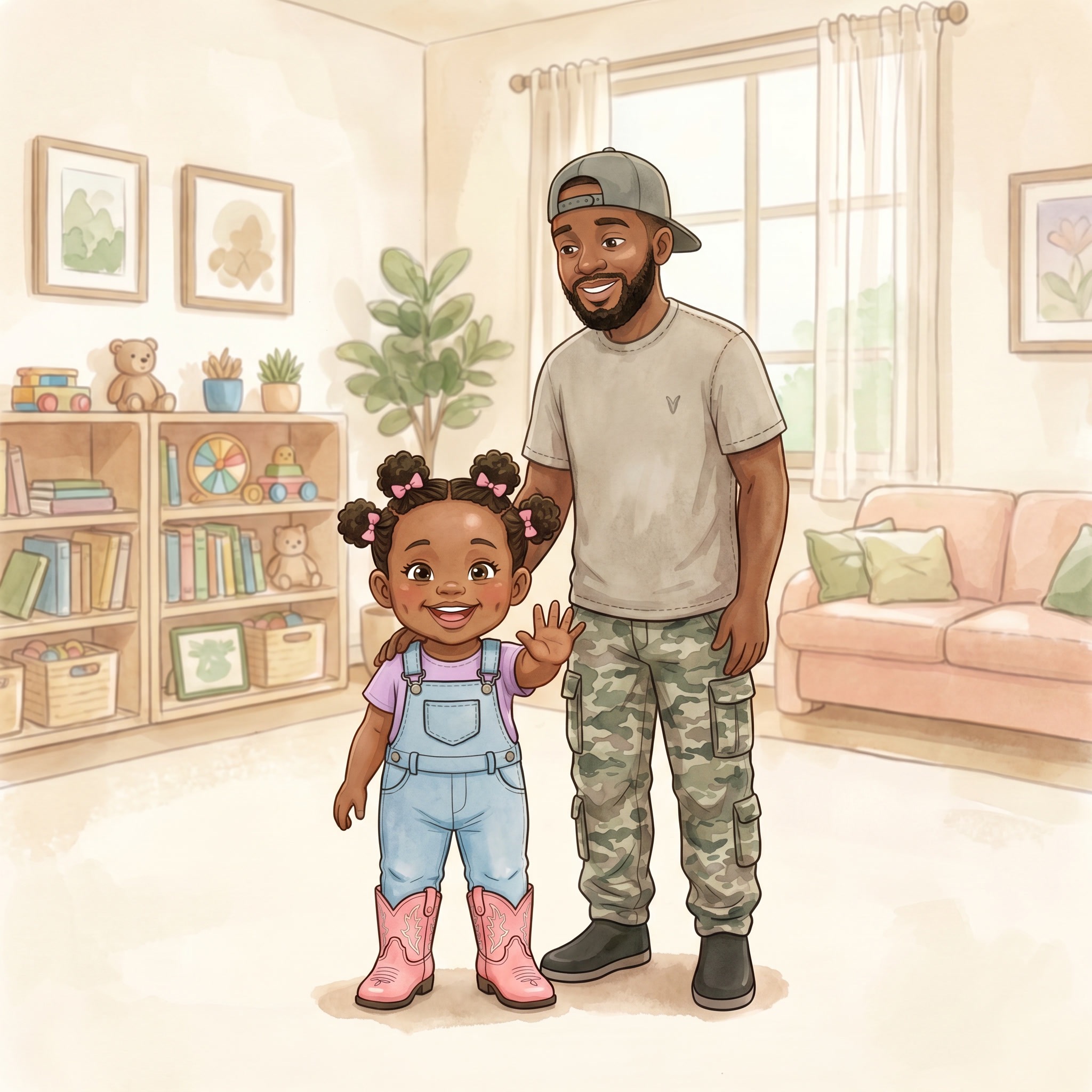
“It’s my body. I get to say yes, and I get to say no.”
@raised.to.resist · Parenting for the Resistance
Start Here, Grown-Ups
Body autonomy isn’t a scary talk; it’s a hundred small, ordinary moments where a child learns their “no” counts. This book builds that in plain, calm, age-true language, the kind that protects kids precisely because it isn’t frightening.
Three things this book gets right
- Consent starts with tickles, not danger.A child who can stop a tickle game learns their “stop” works. That everyday power is the foundation everything else is built on.
- Correct words, calm voice.We use plain, accurate language for bodies. Kids who can name their parts can report clearly and are far less likely to be targeted.
- No forced affection.Nobody, including grandma, is owed a hug. A child who can decline a relative’s hug knows their body is theirs to share, not to surrender.
Keep it light and matter-of-fact, the same tone you’d use for crossing the street safely. Practice the “yes” and “no” games when calm. Back up your child’s “no” in real life, even when it’s inconvenient. That’s the whole curriculum.
When your child says “no” to their own body, honor it, and say why you’re honoring it. “Okay, no tickles. It’s your body, you get to decide.”
I’m the Boss of My Body
Your body belongs to you. Not to your friends, not even to grown-ups. You are the boss of it. Being the boss means you get to decide who touches it and how.
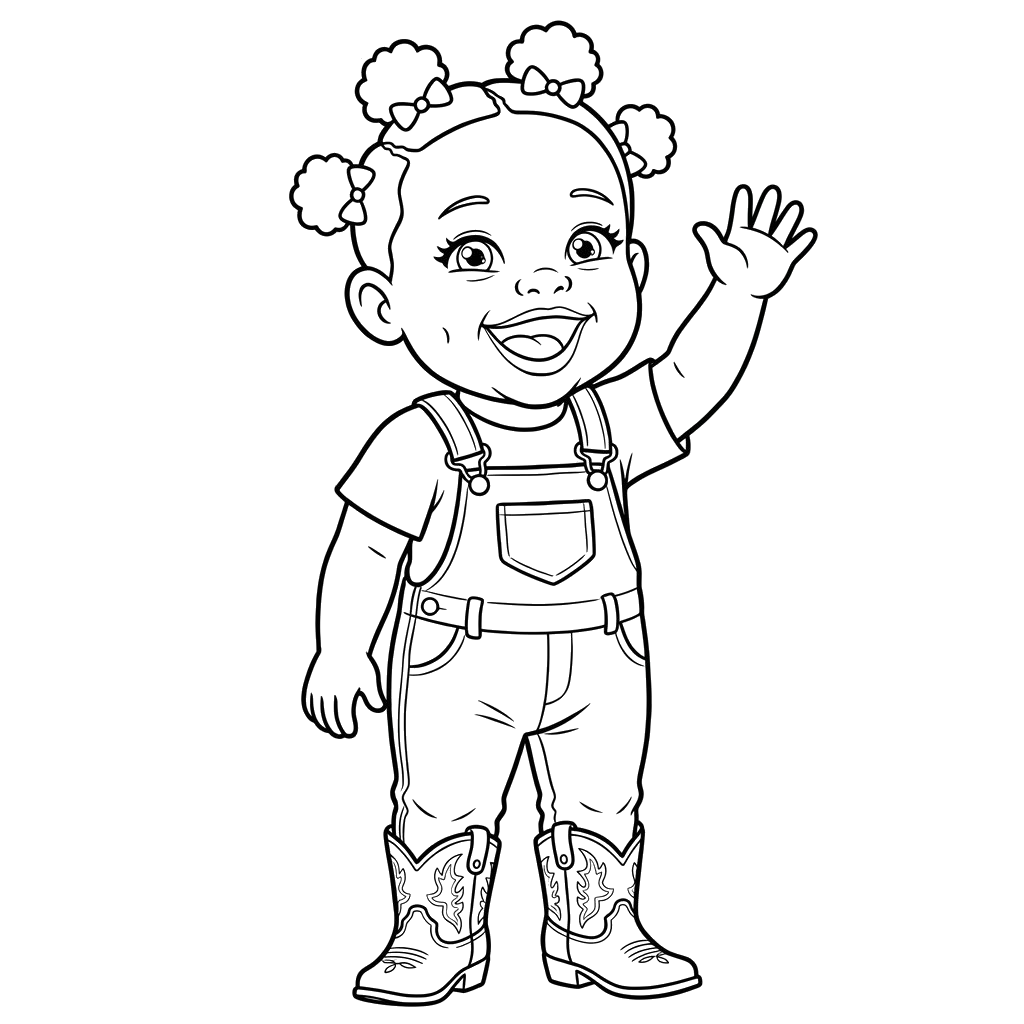
Use the word “boss” often; little kids grasp it instantly. Reinforce it in tiny moments: let them choose the hug, the hand-hold, the goodbye. Power practiced small holds firm when it matters.
“Whose body is it? That’s right, yours. You’re the boss.”
This Whole Body Is Mine
Point to each part and say “mine.” Your head, your arms, your tummy, your feet. Every bit of you belongs to you. Color in the body any way you like.

Name body parts with correct words as you go, including private parts, in the same calm tone as “elbow.” Accurate names aren’t scary; they’re protective.
“Point to something that’s yours. Yep, all of it is.”
Yes Feels Different From No
Your body has a yes feeling and a no feeling. They feel different inside. Learning to feel which one is which is a superpower. Read both.
My YES feels…
- warm and easy
- like a smile inside
- “more, please!”
- safe and happy
My NO feels…
- tight or squirmy
- like wanting to back away
- “stop, I don’t like it”
- icky or unsure
Name the signals in everyday play: “You squirmed, that looked like a no.” Teaching kids to trust the body’s no is the core of consent, and of spotting grooming later.
“What does your body say right now, a yes or a no?”
You Can Say No
Even to people you love. You can say no to tickles, to hugs, to wrestling, to sitting on a lap. Practice saying it big and clear, right now, out loud with a grown-up.
“No thank you.
I don’t want to right now.”
Say it three times: a quiet one, a regular one, and a big strong one.
Play games where their “no” instantly works, every time. The reliability is the lesson: a “no” that gets honored at home is a “no” they’ll trust to use elsewhere.
“Tell me no, and watch, I’ll stop right away.”
“Stop” Means Stop
When you say stop, the game stops. Right away. That’s the rule for everyone, even grown-ups, even if they were “just playing.” Your stop is powerful.
A safe person, when you say stop
- stops right away
- checks if you’re okay
- doesn’t make you feel bad
- plays your way next time
Tell a grown-up if someone
- keeps going after “stop”
- says it’s a “fun secret”
- laughs at your no
- says you’ll be in trouble
The right column is an early grooming-awareness cue in gentle terms. Keep it calm and factual. The goal is a child who notices “that person didn’t stop” and tells you, without fear.
“If anyone won’t stop, you come tell me. You’ll never be in trouble for that.”
My Way to Say Hello
A hug is not the only hello. You get to pick how you greet someone. Circle your favorites, and remember: you can pick a different one any day.
Offer the menu before greetings with relatives: “Wave, high five, or hug?” It hands the child the choice and quietly teaches every adult in the room that the child’s body is theirs.
“How do you want to say hi to Grandpa, a wave or a hug?”
Private Is Private
The parts a swimsuit covers are your private parts. There’s one simple rule about them, and it keeps you safe. Read it with a grown-up.
Name the helping exceptions plainly (bath help, diapering, a doctor with you present) so the rule is clear, not confusing. Add: a helper always explains and never asks you to keep it secret.
“Private parts are private. A doctor only checks them with me right there.”
Good Touch, Unsure Touch
Most touches feel just fine. Some make your body say “no” or “I’m not sure.” You can always check the feeling, and you can always ask for help with an unsure one.
Feels good / safe
- a hug you asked for
- holding hands to cross
- a band-aid on a scrape
- a high five from a friend
Unsure? Tell someone
- a touch on private parts
- a touch that’s a “secret”
- one that makes you squirm
- any touch after you said no
Avoid “good touch/bad touch” as the only frame; abusers often make touch feel confusing, not “bad.” “Unsure” and “secret” are the more protective cues. Pair this with: you’ll always be believed.
“If a touch ever feels unsure or secret, you tell me. Always.”
Tell, and Keep Telling
If something with your body feels wrong, tell a safe grown-up. If the first one doesn’t help, tell another. You keep telling until someone listens. You will never be in trouble for telling.
Find a safe grown-up
Someone on your safe list. Go to them and say the words.
Use your real words
“Someone touched my private parts,” or “a touch felt unsure.” Plain and true.
If they don’t help, tell another
Keep going down your safe list until someone listens and helps. That’s being brave.
The “keep telling” instruction matters; kids often try once and stop. Promise, and mean, that telling never brings punishment. Believe first, sort details later.
“You can always tell me anything about your body. I’ll believe you.”
No Secrets About Bodies
A happy surprise is okay, like a present you’ll share soon. But a secret about your body that you can never tell? That rule is simple: those are not allowed, and you can always tell them to a safe grown-up.
A surprise (okay)
- everyone finds out soon
- it ends in a happy reveal
- it makes someone glad
- like a birthday gift
A body secret (tell!)
- “never tell anyone, ever”
- it makes your tummy icky
- someone says you’ll be in trouble
- it’s about private parts
This seeds the secrets-vs-surprises framework that Secrets, Surprises & Safe Grown-Ups expands for older kids. “We don’t keep body secrets” is one of the single most protective sentences you can teach.
“In our family, there are no secrets about bodies. Surprises, yes. Secrets, no.”
My Safe Grown-Ups
Safe grown-ups listen, believe you, and help. Let’s name three of yours. Draw or write one in each hand. These are the people you go to.
Help pick people across settings (home, family, school) so a child always has someone reachable. Revisit the list as life changes. Make sure each named person knows they’re on it.
“Who are your safe grown-ups? Let’s make sure they know they’re on your list.”
My Body Boss Rules
Here is your whole book in four rules. Say them out loud with a grown-up. These are yours to keep forever.
I’m the boss of my body
I get to decide who touches it and how.
My “no” and “stop” count
Safe people listen right away.
Private parts are private
And there are no secrets about bodies.
I tell, and keep telling
Until a safe grown-up helps. I’m never in trouble for telling.
Revisit these four lines often, briefly, the way you do “look both ways.” Repetition in calm moments is what makes them automatic in hard ones.
“Let’s say our four body rules. You start, I’ll help.”
I Practiced Being the Boss
Every time you used your yes, your no, your stop, or told a safe grown-up something, color a star. Practice makes your power strong.
Catch and celebrate the practicing: “You told me no and I listened, that’s a star.” You’re reinforcing the use of the voice, not just the knowledge of the rule.
“You used your boss voice! That’s a star. What did you say?”
Body Boss Certificate
I’m the boss of my body.
My yes and my no count.

Your body, your yes, your no. Always. · @raised.to.resist